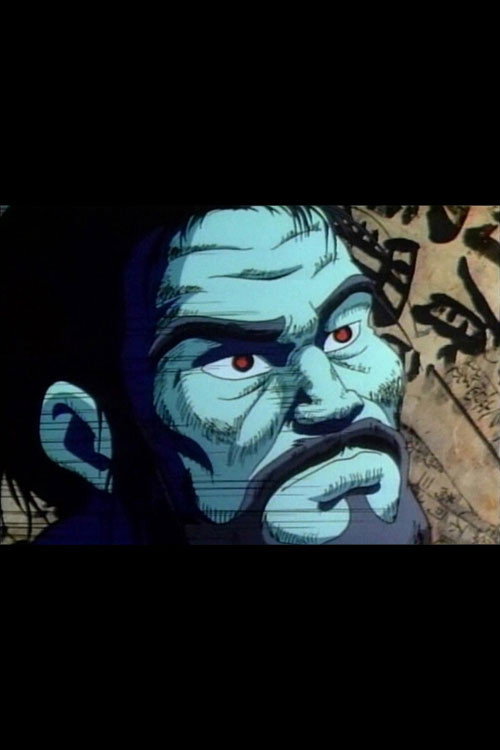
The Sleeping Buddha 1991
Step into the serene world of Korean animation with *The Sleeping Buddha (1991)*, a visually evocative film that brings to life the majestic reclining Buddha statue buried at Unjusa Temple in Hwasun, Jeollanam-do.
Director: Lee Yong-bae
Frequently Asked Questions
What is The Sleeping Buddha (1991) about?
This animated film explores the story of a grand reclining Buddha statue buried at Unjusa Temple, transforming its ancient presence into a cinematic meditation on peace and cultural heritage. The narrative blends spiritual symbolism with artistic storytelling, creating a visually immersive experience.
Who directed The Sleeping Buddha?
The Sleeping Buddha was directed by Lee Yong-bae, a filmmaker known for his work in Korean animation.
Who stars in The Sleeping Buddha?
The main cast details for The Sleeping Buddha are not listed, as the film focuses more on visual storytelling than credited performances.
Is The Sleeping Buddha (1991) worth watching?
As a unique animated film centered on cultural and spiritual themes, *The Sleeping Buddha* offers a niche but rewarding experience for fans of Korean animation and meditative cinema. Its artistic approach and thematic depth make it a standout in its genre.
How long is The Sleeping Buddha?
Runtime details for The Sleeping Buddha are not listed.
About The Sleeping Buddha (1991) — A Korean Animation's Meditative Masterpiece
Step into the serene world of Korean animation with *The Sleeping Buddha (1991)*, a visually evocative film that brings to life the majestic reclining Buddha statue buried at Unjusa Temple in Hwasun, Jeollanam-do. Crafted by director Lee Yong-bae, this animated gem transforms ancient spiritual symbolism into a captivating narrative, blending cultural reverence with artistic storytelling. The film immerses viewers in a tranquil yet profound atmosphere, where the reclining Buddha's serene presence becomes a metaphor for peace, endurance, and the passage of time.
As an animated feature, *The Sleeping Buddha* stands out for its unique blend of traditional artistry and cinematic innovation. While the cast remains uncredited, the film's strength lies in its visual power and thematic depth, drawing audiences into a meditative journey. The reclining Buddha, a revered figure in Buddhist iconography, serves as the emotional anchor, inviting reflection on history, faith, and the quiet resilience of cultural heritage.