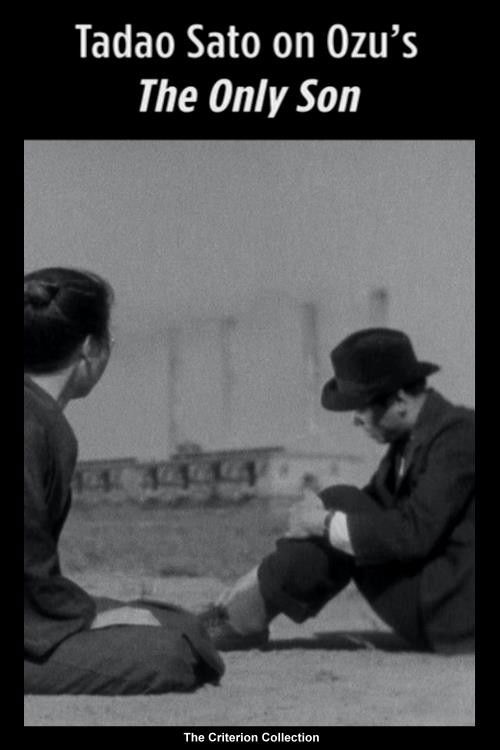
Tadao Sato on Ozu's The Only Son 2010
Tadao Sato on Ozu's The Only Son (2010) offers film enthusiasts a compelling deep-dive into one of Yasujiro Ozu's most poignant works through the eyes of a renowned Japanese cinema scholar.
Director: Yasuhiro Mitsukawa
Cast
Frequently Asked Questions
What is Tadao Sato on Ozu's The Only Son (2010) about?
This documentary features an insightful interview with renowned Japanese film critic Tadao Sato as he discusses and analyzes Yasujiro Ozu's classic film The Only Son, sharing scholarly perspectives on its themes and artistic merit.
Who directed Tadao Sato on Ozu's The Only Son?
The documentary was directed by Yasuhiro Mitsukawa, who crafted this intimate conversation between critic and classic cinema.
Who stars in Tadao Sato on Ozu's The Only Son?
The film features Tadao Satō as the central figure, with his expertise and commentary serving as the documentary's core content.
Is Tadao Sato on Ozu's The Only Son (2010) worth watching?
Absolutely for film scholars and Ozu enthusiasts. Though unrated and brief at 18 minutes, this documentary provides valuable academic insight into a cinematic masterpiece through one of Japan's most respected critics.
How long is Tadao Sato on Ozu's The Only Son?
The documentary runs for 18 minutes.
About Tadao Sato on Ozu's The Only Son (2010) — Expert Analysis
Tadao Sato on Ozu's The Only Son (2010) offers film enthusiasts a compelling deep-dive into one of Yasujiro Ozu's most poignant works through the eyes of a renowned Japanese cinema scholar. This concise documentary, directed by Yasuhiro Mitsukawa, presents an intimate interview session with critic Tadao Sato as he shares his expert insights and personal reflections on Ozu's 1936 masterpiece. The film serves as both educational content and heartfelt tribute to Japanese filmmaking heritage, exploring themes of family, generational change, and the quiet humanism that defines Ozu's cinematic legacy.
With its 18-minute runtime, this documentary packs substantial intellectual and emotional weight, making it essential viewing for anyone interested in understanding the nuances of classical Japanese cinema. Sato's scholarly perspective illuminates the subtle artistry behind Ozu's direction, while the intimate interview format creates an atmosphere of academic discourse mixed with personal reverence. The film captures the essence of film criticism at its finest—thoughtful, knowledgeable, and deeply respectful of the medium's artistic traditions.