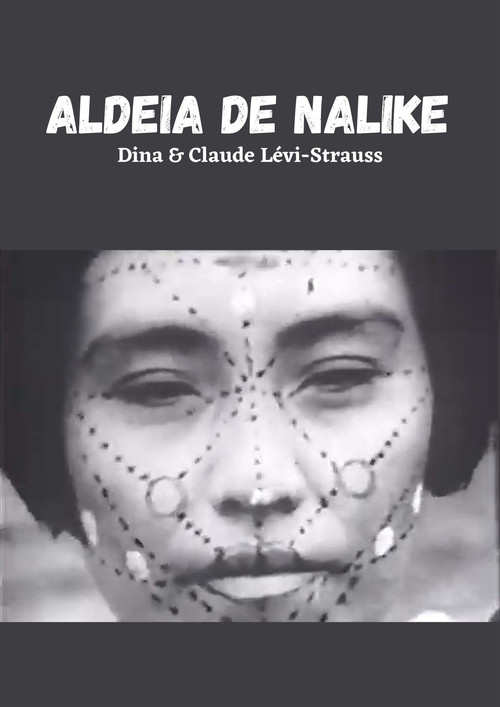
Aldeia de Nalike 1936
Aldeia de Nalike (1936) offers a rare glimpse into a vanished world, captured by anthropologist and filmmaker Claude Lévi-Strauss.
Director: Claude Lévi-Strauss
Cast

Frequently Asked Questions
What is Aldeia de Nalike (1936) about?
Aldeia de Nalike (1936) documents the daily life and cultural traditions of an Indigenous village, offering a window into a world shaped by custom and community. Filmed by anthropologist Claude Lévi-Strauss, the documentary captures rituals, social structures, and the nuances of a society at a pivotal moment in history.
Who directed Aldeia de Nalike?
Aldeia de Nalike was directed by Claude Lévi-Strauss, the renowned French anthropologist whose work has left a lasting impact on ethnographic studies.
Who stars in Aldeia de Nalike?
The film stars Claude Lévi-Strauss himself, alongside Diana Dreyfus, whose participation adds depth to the cultural exploration.
Is Aldeia de Nalike (1936) worth watching?
As a pioneering ethnographic documentary, Aldeia de Nalike (1936) offers invaluable historical and cultural insights. While its pacing may feel slow by modern standards, its authenticity and artistic merit make it a fascinating watch for fans of early cinema and anthropology.
How long is Aldeia de Nalike?
Runtime details are not listed.
About Aldeia de Nalike (1936) — A Fascinating Ethnographic Journey into Indigenous Life
Aldeia de Nalike (1936) offers a rare glimpse into a vanished world, captured by anthropologist and filmmaker Claude Lévi-Strauss. This documentary transports viewers to the heart of an Indigenous village, where traditions, rituals, and daily life unfold under the watchful lens of early ethnographic cinema. The film's black-and-white aesthetic and immersive storytelling evoke a sense of curiosity and reverence for cultures on the brink of transformation. As Lévi-Strauss documents the customs and community dynamics of Nalike, the documentary becomes more than a record—it's a time capsule of human resilience and adaptability in a rapidly changing world. The atmosphere is both intimate and observational, blending academic rigor with the raw beauty of everyday moments.
Directed by Lévi-Strauss himself, the film stars the anthropologist alongside Diana Dreyfus, whose presence adds depth to the cultural exploration. As a pioneering work in ethnographic filmmaking, Aldeia de Nalike (1936) stands as a testament to the power of cinema to bridge gaps between distant worlds. Its themes of tradition versus modernity resonate as strongly today as they did decades ago, making it a compelling watch for history and anthropology enthusiasts alike. Whether you're drawn to its historical significance or its artistic approach, this documentary promises an unforgettable journey into the past.