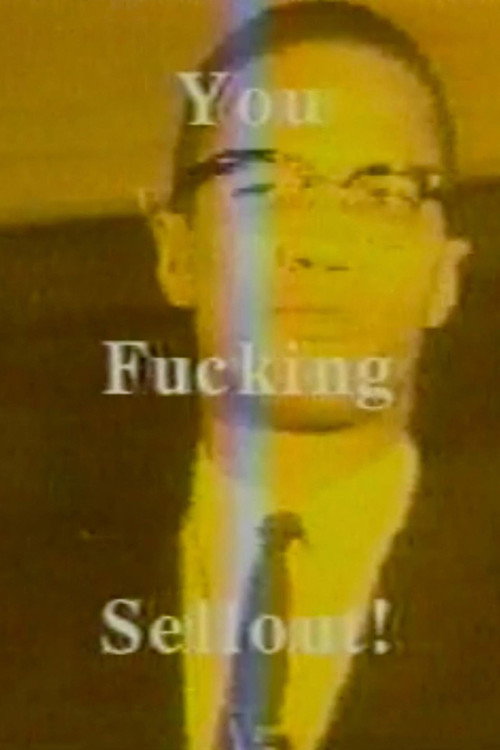
No Sell Out 1995
Tony Cokes' experimental short film *No Sell Out* (1995) dives into the collision between radical politics and consumer culture through the lens of Malcolm X's iconic image.
Director: Tony Cokes
Frequently Asked Questions
What is No Sell Out (1995) about?
*No Sell Out* explores how the image of Malcolm X is exploited in commercial culture, from rap lyrics to fashion branding. The film uses rapid-fire visuals and loaded questions to challenge viewers about the authenticity of revolutionary symbolism in a profit-driven world.
Who directed No Sell Out?
The film was directed by Tony Cokes, a pioneering experimental filmmaker known for his sharp critiques of media and capitalism.
Who stars in No Sell Out?
The cast primarily consists of archival images and media clips featuring Malcolm X, used as a provocative visual motif rather than traditional actors.
Is No Sell Out (1995) worth watching?
Though unrated, *No Sell Out* is a compelling watch for fans of avant-garde cinema and cultural critique. Its six-minute runtime and bold themes make it a dense but rewarding experience for those interested in the intersection of politics and pop culture.
How long is No Sell Out?
The runtime is approximately six minutes.
About No Sell Out (1995) — How Malcolm X's image got swallowed by capitalism
Tony Cokes' experimental short film *No Sell Out* (1995) dives into the collision between radical politics and consumer culture through the lens of Malcolm X's iconic image. Using desktop video and an MTV-inspired format, this six-minute critique dissects how revolutionary symbols are repackaged into marketable trends in rap music, political art, and sportswear branding. The film poses sharp, unresolved questions about authenticity and commodification, forcing viewers to confront whether Malcolm X's legacy remains a meaningful statement or merely another fleeting style.
Set against a backdrop of industrial aesthetics and glitchy visuals, *No Sell Out* blends raw provocation with ironic detachment, creating an atmosphere that's both confrontational and intellectually stimulating. By interrogating the tension between resistance and profitability, the film invites audiences to question the boundaries between activism and entertainment, leaving a lasting impression long after the credits roll.