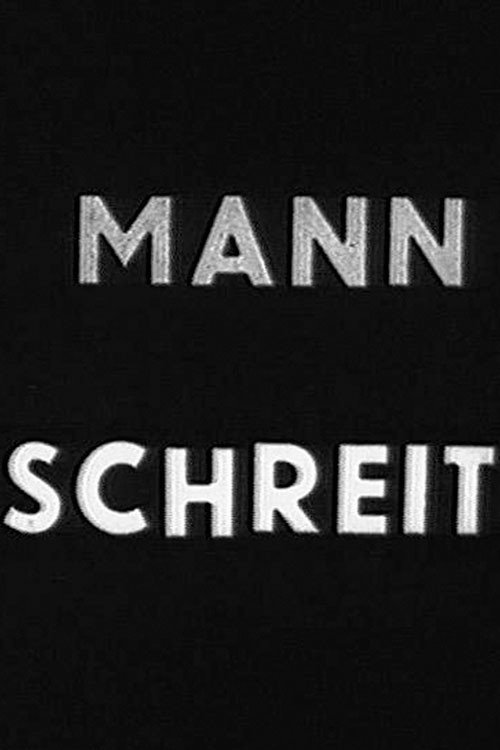
Schriftfilm 1959
Schriftfilm (1959) is a fascinating two-minute experimental short that challenges traditional storytelling through visual wordplay.
Director: Marc Adrian
Frequently Asked Questions
What is Schriftfilm (1959) about?
Schriftfilm follows an experimental format where nouns appear on top of the screen and verbs below, creating unexpected combinations that range from logical to poetic, ultimately challenging traditional language-meaning relationships.
Who directed Schriftfilm?
Marc Adrian directed Schriftfilm, bringing his avant-garde vision to this brief but impactful exploration of visual language and semiotics.
Who stars in Schriftfilm?
Cast information for Schriftfilm is currently unavailable, as the film focuses entirely on its experimental text-based visual concept rather than traditional performances.
Is Schriftfilm (1959) worth watching?
Despite its brief runtime and experimental nature, Schriftfilm offers a unique artistic experience that will appeal to fans of avant-garde cinema and those interested in the intersection of language and film.
How long is Schriftfilm?
Schriftfilm runs for 2 minutes, making it a concise but impactful experimental short film.
Schriftfilm (1959): Experimental Word Cinema — Full Movie Info
Schriftfilm (1959) is a fascinating two-minute experimental short that challenges traditional storytelling through visual wordplay. Directed by Marc Adrian, this avant-garde piece operates like a cinematic cadavre exquis, presenting alternating nouns on the upper portion of the screen and verbs below. The juxtaposition creates a unique rhythm where some combinations make immediate sense—'man walks' or 'water breaks'—while others stretch logic in intriguing ways, and still others abandon reason entirely for pure poetic expression.
This minimalist yet thought-provoking work deconstructs the conventional relationship between language and meaning, inviting viewers to question how we process text and narrative. At just two minutes long, Schriftfilm delivers a concentrated dose of artistic experimentation that feels both playful and profound. The film's atmosphere is contemplative and slightly surreal, encouraging audiences to find their own connections between the disparate word pairings.
Though brief, this experimental piece represents an important moment in cinema's exploration of semiotics and visual language. Schriftfilm (1959) stands as a curiosity for fans of underground and art house cinema, offering a glimpse into mid-century European avant-garde filmmaking.