Universal Ike Junior Bearly Won Her 1914
Universal Ike Junior Bearly Won Her (1914) is a delightfully chaotic silent-era comedy that blends rural mischief with mistaken identity.
Cast
Frequently Asked Questions
What is Universal Ike Junior Bearly Won Her (1914) about?
The film centers on a farmer whose empty beehives spark a domino effect of confusion when his wife finds a strange hair inside. A bumbling sheriff, hot on the trail of criminals, misinterprets the clue and sets off a comedic chase involving the wrong suspects.
Who directed Universal Ike Junior Bearly Won Her?
Director information is not available.
Who stars in Universal Ike Junior Bearly Won Her?
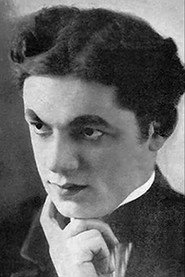
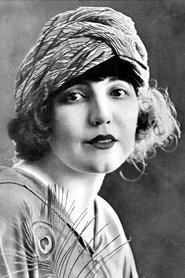
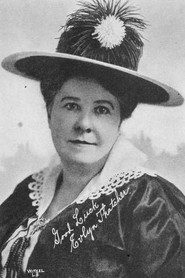
The film features Bobby Ray and Louise Glaum as the farmer and his wife, alongside Eva Thatcher, Fred Hornby, and Harry Moody as the sheriff.
Is Universal Ike Junior Bearly Won Her (1914) worth watching?
As a vintage silent comedy, it's a charming time capsule of early filmmaking wit, though its 10-minute runtime limits its depth. Fans of slapstick and historical comedies will likely enjoy its lighthearted antics, even if it's more of a curiosity than a modern classic.
How long is Universal Ike Junior Bearly Won Her?
The film runs approximately 10 minutes.
About Universal Ike Junior Bearly Won Her (1914) — Silly Silent Comedy with a Beehive Mix-Up
Universal Ike Junior Bearly Won Her (1914) is a delightfully chaotic silent-era comedy that blends rural mischief with mistaken identity. Directed by an unknown filmmaker, this ten-minute short follows a goofy farmer (Bobby Ray) whose beehives mysteriously come up empty while his wife (Louise Glaum) stumbles upon a puzzling clue—a strand of hair. Meanwhile, the local sheriff (Harry Moody) is on the hunt for criminals, leading to a hilarious case of crossed wires when he assumes the missing hair belongs to the outlaws he's pursuing. The film thrives on absurd misunderstandings and slapstick timing, capturing the whimsical charm of early cinema with a lighthearted, sitcom-like energy.
Set against the rustic backdrop of a small town, the story bounces between domestic chaos and law enforcement folly, creating a comedic disconnect that feels both timeless and distinctly vintage. The lack of dialogue only heightens the visual gags, making it a fun snapshot of 1914's comedic landscape. Bobby Ray and Louise Glaum's performances shine, grounding the madness in relatable, everyman humor.