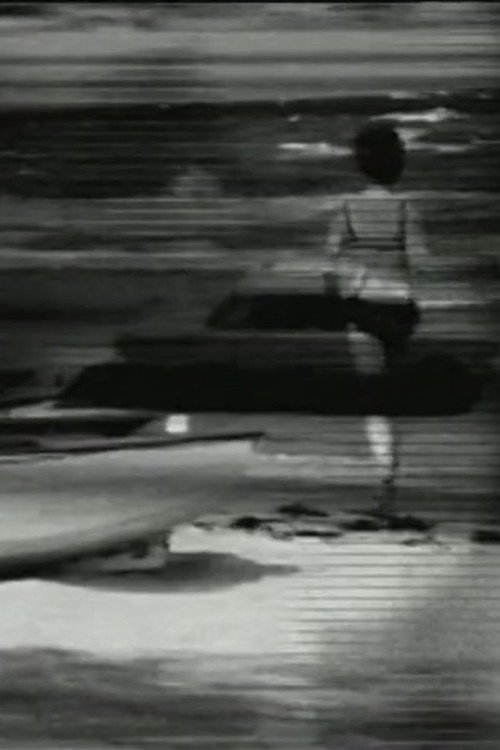
Key West 2002
Thomas Aigelsreiter's *Key West (2002)* captures the allure and fleeting illusions of paradise through a poetic montage of images that evoke the Florida Keys' iconic charm.
Director: Thomas Aigelsreiter
Frequently Asked Questions
What is Key West (2002) about?
This short film by Thomas Aigelsreiter is a nostalgic collage of images celebrating Key West's sun-soaked allure without ever stepping into a traditional plot. Instead, it juxtaposes iconic mid-century Americana—convertibles, surfers, and beachside leisure—against the backdrop of a paradise that feels just out of reach.
Who directed Key West?
Thomas Aigelsreiter, an Austrian filmmaker known for his visually driven shorts, directed *Key West*.
Who stars in Key West?
Cast details for *Key West (2002)* are not publicly listed.
Is Key West (2002) worth watching?
Though unrated and under five minutes long, *Key West (2002)* offers a hypnotic, atmospheric experience for fans of poetic cinema and vintage aesthetics. Its contemplative pacing may not suit all tastes, but it rewards those who appreciate visual storytelling over conventional narrative.
How long is Key West?
The runtime for *Key West (2002)* is 5 minutes.
About Key West (2002) — A 5-Minute Visual Ode to Florida's Paradise Lost
Thomas Aigelsreiter's *Key West (2002)* captures the allure and fleeting illusions of paradise through a poetic montage of images that evoke the Florida Keys' iconic charm. Set against the backdrop of Key West's sun-drenched shores, the five-minute short weaves together vintage visuals—pastel convertibles cruising along palm-lined roads, sunbathers lounging on powder-white beaches, and surfers dancing atop turquoise waves—to paint a nostalgic portrait of a place often mythologized in cinema. Unlike Huston's *Key Largo*, where gangsters once exposed the dark underbelly of paradise, Aigelsreiter's film leans into the dreamlike façade, letting the sheer beauty of the setting speak for itself. The result is a hypnotic meditation on longing, memory, and the way certain landscapes become symbols of unattainable escape.
Stripped of dialogue and narrative, *Key West (2002)* is a visual tone poem that trades in the currency of cinematic iconography. Its brevity belies its ambition, using the language of mid-century Americana—chrome cars, bikinis, and ocean breezes—to evoke a bygone era when paradise still felt within arm's reach. For viewers seeking more than just escapism, the film offers a quiet challenge: to look closer at the images we take for granted and question what they truly promise.