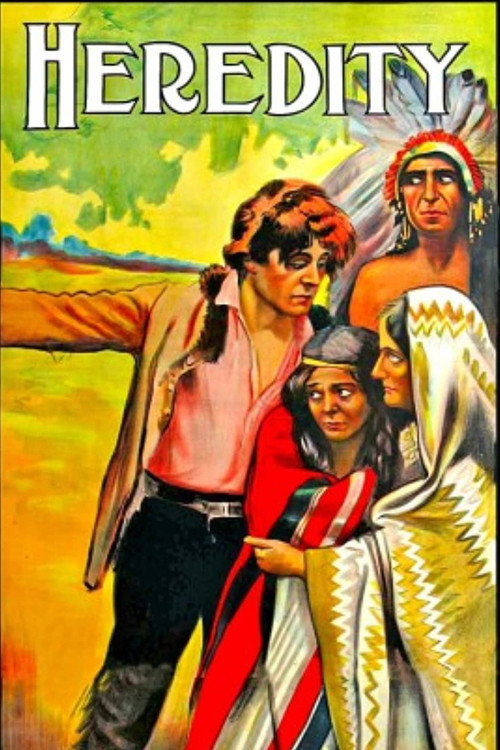
Heredity 1912
Directed by the legendary D.W. Griffith, *Heredity (1912)* weaves a poignant drama around the weight of lineage and fate.
Director: D.W. Griffith
Cast
Frequently Asked Questions
What is *Heredity (1912)* about?
*Heredity* follows Nedda Trevor, a young woman whose family's financial collapse strips her of privilege and drops her into New York's working-class slums. Years later, she faces a life-altering trial when accused of her mother's murder, forcing her to confront the dark legacy of her bloodline.
Who directed *Heredity*?
*Heredity* was directed by D.W. Griffith, a pioneer of early American cinema whose work reshaped narrative filmmaking.
Who stars in *Heredity*?
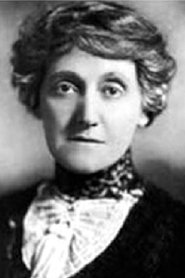
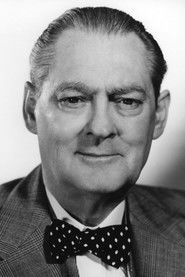
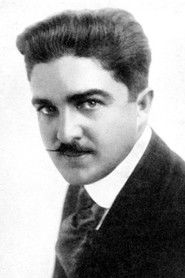
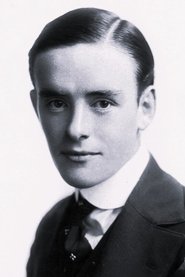
The film features Harry Carey, Madge Kirby, Jack Pickford, Walter P. Lewis, and Kate Bruce in prominent roles.
Is *Heredity (1912)* worth watching?
Though unrated, *Heredity* offers a fascinating glimpse into early silent cinema and Griffith's directorial prowess. Its themes of fate and family resonate, making it a rewarding watch for fans of classic drama and historical films.
How long is *Heredity*?
*Heredity* runs for 17 minutes.
About Heredity (1912) — A Silent-Era Drama of Heritage and Hardship
Directed by the legendary D.W. Griffith, *Heredity (1912)* weaves a poignant drama around the weight of lineage and fate. The film follows young Nedda Trevor, whose family's once-gilded bloodline is shattered by financial ruin, forcing her from the grandeur of a British ancestral home to the gritty tenements of New York's Lower East Side. A decade later, the echoes of her aristocratic past collide with a grim accusation when she is charged with her mother's murder. Griffith masterfully contrasts the elegance of old-world privilege with the harsh realities of urban poverty, crafting a haunting meditation on how heritage shapes destiny.
At its core, *Heredity* explores the inescapable ties between blood and consequence, where a family's legacy becomes both a burden and a curse. The story unfolds with a gripping intensity, blending the raw drama of early silent cinema with timeless themes of guilt, identity, and redemption. With standout performances from Harry Carey and Madge Kirby, Griffith's film remains a compelling example of silent-era storytelling, offering a window into both the technical and emotional evolution of American cinema.