Brothers 1913
Directed by D.W. Griffith, Brothers (1913) is a poignant drama that explores the complexities of family relationships and the devastating consequences of misunderstandings.
Director: D.W. Griffith
Cast
Frequently Asked Questions
What is Brothers (1913) about?
Brothers (1913) is a drama that explores the complexities of family relationships and the devastating consequences of misunderstandings.
Who directed Brothers?
D.W. Griffith directed Brothers (1913), a master filmmaker known for his works in the early days of cinema.
Who stars in Brothers?
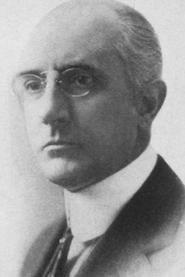
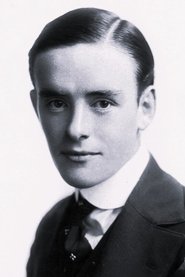
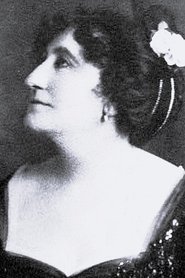
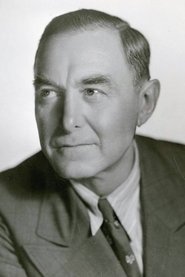
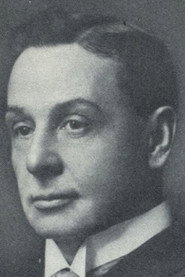
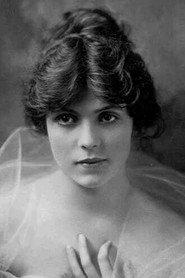
The main cast of Brothers (1913) includes Charles Hill Mailes, Robert Harron, Clara T. Bracy, Harry Carey, and Adolph Lestina.
Is Brothers (1913) worth watching?
While Brothers (1913) may be a product of its time, its thought-provoking themes and emotional depth make it a powerful exploration of the human condition that is worth watching.
How long is Brothers?
Brothers (1913) has a runtime of 17 minutes.
About Brothers (1913) — A poignant drama that explores family relationships and misunderstandings.
Directed by D.W. Griffith, Brothers (1913) is a poignant drama that explores the complexities of family relationships and the devastating consequences of misunderstandings. Set in a bygone era, this short film follows the story of a young woman who is mistakenly perceived as indifferent to her mother's passing, leading to a series of unexpected events that ultimately lead to her downfall. With its thought-provoking themes and emotional depth, Brothers (1913) is a powerful exploration of the human condition that continues to resonate with audiences today. As the favorite son comes to woo and win her, the lady's fine biscuits become a symbol of her inner struggles and the societal expectations that she faces.
In the hands of a master filmmaker like D.W. Griffith, Brothers (1913) is a masterclass in storytelling, using its brief runtime to convey a wealth of emotions and themes that continue to captivate viewers. With a talented cast that includes Charles Hill Mailes, Robert Harron, and Clara T. Bracy, this film is a must-see for anyone interested in the early days of cinema and the works of Griffith.