The Enemy's Baby 1913
Directed by the legendary D.W. Griffith, *The Enemy's Baby (1913)* unfolds against the backdrop of a bitter feud sparked by a political dispute. What begins as a heated argument escalates when a judge rules that an elderly man must surrender his household goods to settle a debt.
Director: D.W. Griffith
Cast

Frequently Asked Questions
What is *The Enemy's Baby (1913)* about?
The film follows a political argument that spirals into a bitter feud, forcing a family to flee their home. Their return is driven by the discovery that their lost baby has been taken by their enemies, setting the stage for an emotional reckoning.
Who directed *The Enemy's Baby*?
The film was directed by D.W. Griffith, a pioneering figure in early cinema known for his influential and often controversial works.
Who stars in *The Enemy's Baby*?
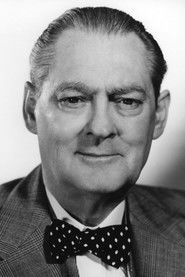
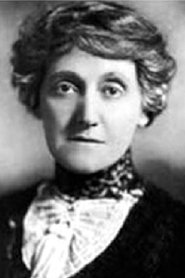
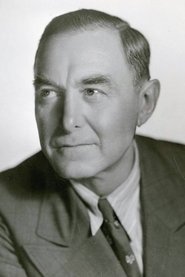
The cast includes Lionel Barrymore, William J. Butler, Kate Bruce, Harry Carey, and Claire McDowell, with Charles Gorman rounding out the ensemble.
Is *The Enemy's Baby (1913)* worth watching?
As a silent-era drama from D.W. Griffith, the film offers a fascinating look at early cinematic storytelling, though its themes may feel melodramatic by modern standards. Its short runtime and historical significance make it a curious watch for silent film enthusiasts.
How long is *The Enemy's Baby*?
The film runs for just 11 minutes, making it a brief but impactful silent-era drama.
About The Enemy's Baby (1913) — D.W. Griffith's silent-era drama of feuds and lost children
Directed by the legendary D.W. Griffith, *The Enemy's Baby (1913)* unfolds against the backdrop of a bitter feud sparked by a political dispute. What begins as a heated argument escalates when a judge rules that an elderly man must surrender his household goods to settle a debt. In a fit of rage, he burns his own furniture, leaving him legally vulnerable. With his family now homeless, he flees—but his return is driven by a heartbreaking twist: his lost infant, stolen by the opposing family, becomes the unexpected catalyst for reconciliation. This silent-era drama blends raw emotion with Griffith's signature storytelling, weaving themes of vengeance, familial bonds, and the fragility of pride.
Set in a time when grudges could destroy lives, the film captures the tension of a divided household and the bittersweet resolution that arises from unexpected crisis. Griffith's direction lends a quiet intensity to the narrative, while the cast delivers performances steeped in the era's dramatic conventions. With its concise runtime and powerful themes, *The Enemy's Baby* remains a compelling glimpse into early 20th-century cinema's ability to explore human conflict with surprising depth.