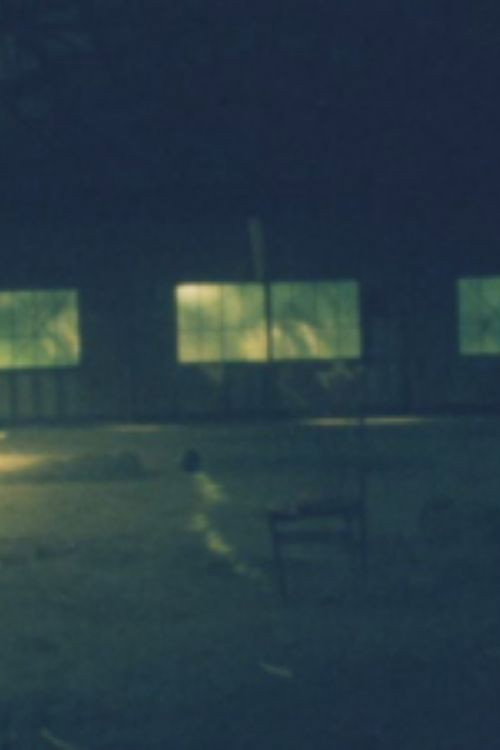
La Dance Macabre 1989
Jun Kurosawa's *La Dance Macabre (1989)* is a hypnotic three-minute short that distills the eerie essence of mortality into a visually striking dance of shadows and symbolism.
Director: Jun Kurosawa
Frequently Asked Questions
What is La Dance Macabre (1989) about?
*La Dance Macabre (1989)* explores the timeless dance between life and death through stark visuals and minimalist storytelling. The film uses symbolic imagery to evoke mortality's inevitability without relying on dialogue or complex plot.
Who directed La Dance Macabre?
Director information is not available.
Who stars in La Dance Macabre?
Cast details are not listed for this short film.
Is La Dance Macabre (1989) worth watching?
While its runtime is under three minutes, *La Dance Macabre (1989)* offers a compelling visual experience for fans of experimental cinema. Its atmospheric approach and thematic depth make it a unique addition to short film collections, though its brevity limits broader appeal.
How long is La Dance Macabre?
The runtime of *La Dance Macabre* is approximately 3 minutes.
About La Dance Macabre (1989) — A Haunting 3-Minute Meditation on Life and Death
Jun Kurosawa's *La Dance Macabre (1989)* is a hypnotic three-minute short that distills the eerie essence of mortality into a visually striking dance of shadows and symbolism. Crafted with precision and an unmistakable sense of atmosphere, the film weaves stark imagery with minimalist storytelling to evoke the timeless dance between life and death. While brief, its haunting visuals linger long after the credits roll, inviting viewers to ponder the fragility of existence and the inevitability of fate. The director's confident touch transforms a fleeting moment into a memorable meditation on mortality, blending artistry with existential weight.
As a cinematic microcosm, *La Dance Macabre (1989)* stands out for its bold departure from conventional narrative structure, instead relying on evocative composition and subtle motion to convey its themes. The film's title alone hints at its inspiration—rooted in folklore and art history—where the skeleton's eternal waltz symbolizes the universal human experience. Though runtime and context limit deeper character exploration, Kurosawa's direction ensures every second feels deliberate, making it a compelling watch for fans of experimental and atmospheric cinema.