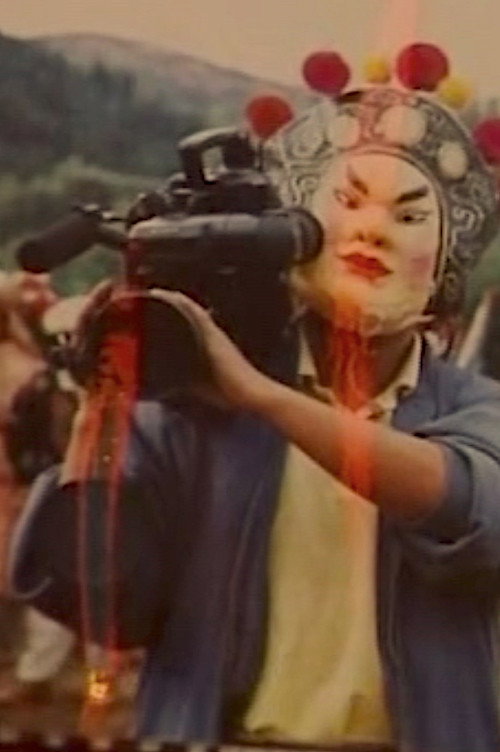
Mask: Field Research on a Folk Performance 2000
Dive into the captivating world of *Mask: Field Research on a Folk Performance* (2000), a profound documentary by Liu Xiaojin that unravels the resurgence of Guansuo Opera in Xiaotun village after its Cultural Revolution hiatus.
Director: Liu Xiaojin
Frequently Asked Questions
What is *Mask: Field Research on a Folk Performance* (2000) about?
*Mask* follows the Guansuo Opera's return to Xiaotun village after its near-erasure during the Cultural Revolution. The documentary immerses viewers in the tensions between villagers, performers, and authorities as they debate the opera's future, revealing deeper rifts about tradition, authority, and cultural identity in post-revolution China.
Who directed *Mask: Field Research on a Folk Performance*?
The film was directed by Liu Xiaojin, a filmmaker known for his observational documentaries that explore cultural and social dynamics in rural China.
Who stars in *Mask: Field Research on a Folk Performance*?
Cast information for this documentary is not available.
Is *Mask: Field Research on a Folk Performance* (2000) worth watching?
While it lacks an IMDb rating, *Mask* offers a rare glimpse into China's folk traditions and the political layers beneath artistic revival. Its slow-burning intensity and thematic depth make it a must-see for documentary enthusiasts or anyone interested in cultural anthropology and rural China.
How long is *Mask: Field Research on a Folk Performance*?
The film runs for 94 minutes.
About Mask: Field Research on a Folk Performance (2000) — A Documentary on China's Masked Opera Revival
Dive into the captivating world of *Mask: Field Research on a Folk Performance* (2000), a profound documentary by Liu Xiaojin that unravels the resurgence of Guansuo Opera in Xiaotun village after its Cultural Revolution hiatus. This 94-minute film peels back the layers of a community divided, capturing the intricate tensions between performers, officials, researchers, and villagers as they navigate tradition, bureaucracy, and artistic revival. With rich visuals and intimate storytelling, Xiaojin transforms a fading folk art into a mirror of rural China's evolving identity, where masks become more than symbols—they reveal hidden resentments, political maneuvering, and the fragile threads holding culture together.
The documentary thrives on its raw, observational style, turning a seemingly obscure local tradition into a universal exploration of identity and resistance. As performers don their painted masks, the film questions who truly controls the narrative—village elders, government approvals, or the artists themselves? It's a quiet yet powerful snapshot of cultural reclamation, where every gesture and conflict carries the weight of history.