The Work Habit 1913
The Work Habit (1913) tells the charming story of a devoted father who struggles with retirement when he moves in with his married daughter.
Director: Anthony O'Sullivan
Cast


Frequently Asked Questions
What is The Work Habit (1913) about?
The film follows an aging father who moves in with his daughter but finds city life and inactivity unbearable. He secretly continues working, leading to a heartfelt resolution about family understanding and finding purpose.
Who directed The Work Habit?
The film was directed by Anthony O'Sullivan, who helmed this early silent era production during the formative years of cinema.
Who stars in The Work Habit?
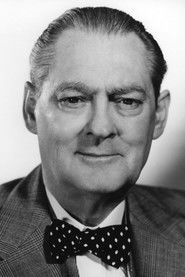
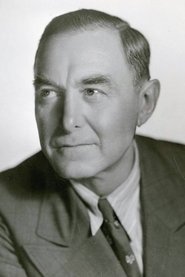
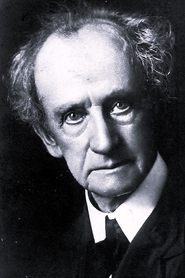
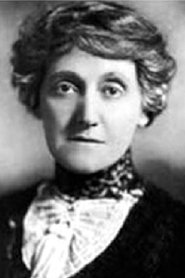
The cast features Lionel Barrymore, Claire McDowell, and Harry Carey, with supporting performances by W. Chrystie Miller, Kate Bruce, and Charles Hill Mailes.
Is The Work Habit (1913) worth watching?
As an unrated early silent film, it offers historical value for cinema enthusiasts. The blend of comedy and drama, plus the presence of Lionel Barrymore, makes it worthwhile for fans of classic film history.
How long is The Work Habit?
The runtime is 11 minutes.
About The Work Habit (1913) — Silent Era Family Comedy
The Work Habit (1913) tells the charming story of a devoted father who struggles with retirement when he moves in with his married daughter. Directed by Anthony O'Sullivan, this early silent film comedy-drama explores themes of identity, purpose, and generational differences through the lens of a man who simply cannot adjust to a life without work. The film captures the gentle humor and poignant moments of a parent caught between old habits and new circumstances.
Starring Lionel Barrymore alongside Claire McDowell and Harry Carey, The Work Habit presents a heartwarming portrait of family dynamics in the early 20th century. The short runtime of 11 minutes packs in meaningful commentary about the dignity of labor and the challenges of aging. This classic showcases the emerging artistry of silent cinema while delivering universal themes about finding one's place in the world.