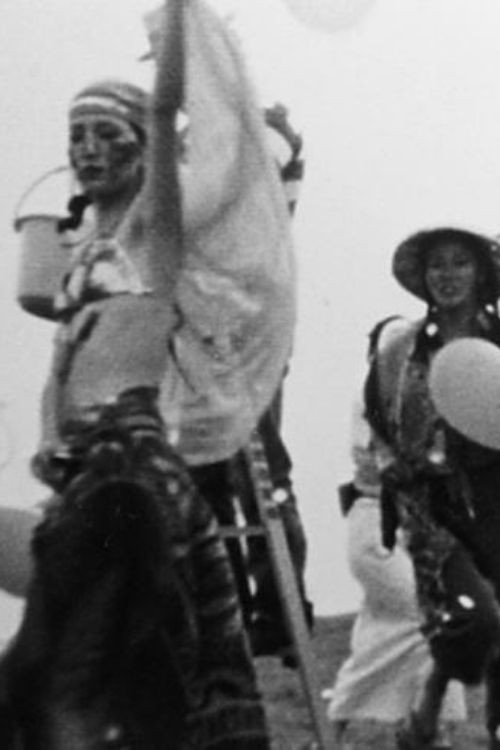
A SEARCH FOR MYSELF 1982
In *A Search for Myself (1982)*, director Nagatoke Hiroki crafts a poignant 60-minute character study exploring the quiet struggles of identity and self-discovery.
Director: Nagatoke Hiroki
Cast
Frequently Asked Questions
What is A Search for Myself (1982) about?
This 60-minute Japanese drama follows a man reflecting on personal loss and the search for his true identity amid societal change. Through minimal dialogue and striking visuals, the film delves into themes of memory, regret, and the elusive nature of self-awareness.
Who directed A Search for MYSELF?
Nagatoke Hiroki directed *A Search for Myself* in 1982, showcasing his talent for intimate, character-driven storytelling.
Who stars in A Search for MYSELF?
The film features Kikuchi Masaaki in the lead role, alongside Yukui Otoe and director Nagatoke Hiroki himself.
Is A Search for MYSELF (1982) worth watching?
While lacking a wide release or rating data, *A Search for Myself* offers a compelling snapshot of early 1980s Japanese introspective cinema. Its emotional depth and artistic vision make it a hidden gem for fans of subtle, thought-provoking dramas.
How long is A Search for MYSELF?
The runtime is approximately 60 minutes.
About A Search for Myself (1982) — A 60-Minute Japanese Drama on Identity and Reflection
In *A Search for Myself (1982)*, director Nagatoke Hiroki crafts a poignant 60-minute character study exploring the quiet struggles of identity and self-discovery. Set against the backdrop of post-war Japan, the film follows Kikuchi Masaaki's protagonist as he navigates personal loss and the search for meaning in a rapidly changing world. With minimal dialogue but deep emotional resonance, Hiroki's sensitive direction draws out raw performances from Kikuchi Masaaki and Yukui Otoe, whose understated chemistry anchors the narrative. The film's somber atmosphere lingers long after the credits roll, leaving viewers to ponder their own paths to self-awareness.
Despite its brevity, *A Search for Myself* packs a powerful punch, blending elements of drama and introspective reflection. The director's restrained yet evocative approach turns this short film into a reflective mirror for audiences grappling with life's existential questions. The black-and-white aesthetic and Hiroki's deliberate pacing enhance the film's meditative tone, making it a standout work of early 1980s Japanese cinema.