Bye-Bye, Mail 1986
Bye-Bye, Mail (1986) is a hauntingly minimalist short film that showcases the poetic vision of director Masako Uehara.
Director: Masako Uehara
Cast
Frequently Asked Questions
What is Bye-Bye, Mail (1986) about?
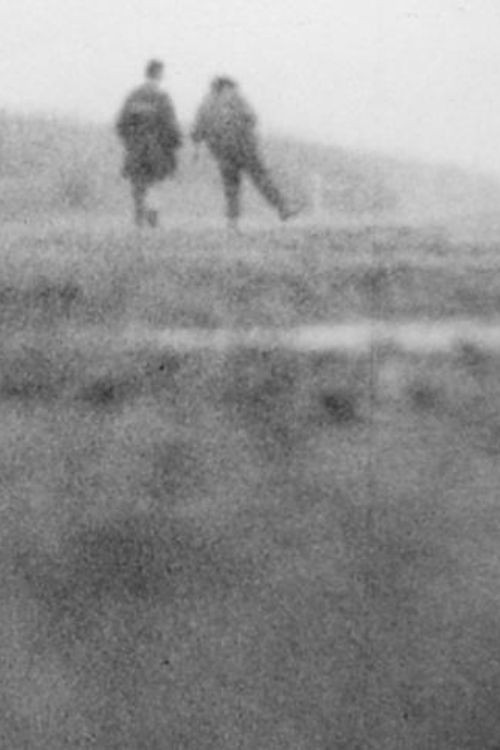
Bye-Bye, Mail is a contemplative short film where director Masako Uehara captures two friends lying on the rain-soaked ground near a beach. Through four carefully composed shots, she explores themes of fleeting time and sensory memory as the friends slowly stand and walk away.
Who directed Bye-Bye, Mail?
Bye-Bye, Mail was directed by Masako Uehara, a filmmaker whose delicate and lyrical sensibility shines through in this compact short.
Who stars in Bye-Bye, Mail?
The main cast includes Higashi Naoko and Koujirou Nakamura, who embody the film's quiet, introspective mood.
Is Bye-Bye, Mail (1986) worth watching?
While Bye-Bye, Mail is a niche experimental short, its poetic visuals and minimalist approach make it a rewarding watch for fans of avant-garde cinema. Its brevity and emotional depth offer a unique experience in just four minutes.
How long is Bye-Bye, Mail?
Bye-Bye, Mail has a runtime of 4 minutes.
About Bye-Bye, Mail (1986) — A Poetic 4-Minute Short Film Experience
Bye-Bye, Mail (1986) is a hauntingly minimalist short film that showcases the poetic vision of director Masako Uehara. Shot in just four frames, this delicate 4-minute piece captures a fleeting moment on a misty spring day, where two friends lay on the rain-dampened ground near a beach. Using a slow, low-angle zoom that mimics the tactile chill of analog 8mm filming, Uehara transforms a simple walk down the street into a meditative experience. The film lingers on themes of transience, memory, and the quiet beauty of everyday life, inviting viewers to feel the chill of the earth and the weight of passing time.
This experimental gem blends avant-garde aesthetics with raw emotional resonance, making it a standout in Japanese short cinema. Produced with sparse resources but rich in atmosphere, Bye-Bye, Mail (1986) is a testament to how a few frames can evoke the full spectrum of human sensation. Perfect for fans of lyrical filmmaking, it's a brief yet unforgettable experience that lingers long after the credits roll.