The Stepmother 1911
Directed by an unknown filmmaker, *The Stepmother (1911)* is a poignant silent-era drama that explores the anxieties of childhood when a widower introduces a new maternal figure into his daughters' lives.
Cast
Frequently Asked Questions
What is The Stepmother (1911) about?
*The Stepmother (1911)* follows two young daughters of a widower who resist the idea of a new stepmother. Fearing their home will change forever, they run away, setting off a journey that tests their emotions and forces them to confront the unknown.
Who directed The Stepmother?
Director information is not available.
Who stars in The Stepmother?
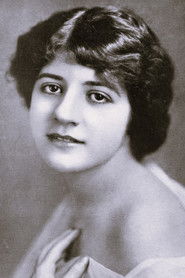
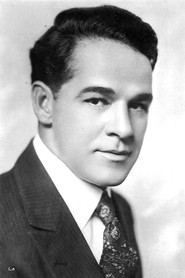
The film features Katherine Horn, Marie Eline, Marguerite Snow, and William Russell in key roles.
Is The Stepmother (1911) worth watching?
While silent films often lack modern ratings, *The Stepmother* offers a fascinating glimpse into early 20th-century family dramas. Its emotional storytelling and historical value make it appealing to silent film enthusiasts and classic cinema buffs.
How long is The Stepmother?
Runtime details are not listed.
About The Stepmother (1911) — A Silent Drama of Family, Fear, and New Beginnings
Directed by an unknown filmmaker, *The Stepmother (1911)* is a poignant silent-era drama that explores the anxieties of childhood when a widower introduces a new maternal figure into his daughters' lives. The film captures the innocence and resistance of two young girls facing an uncertain future under the care of a stepmother. As they fear losing their cherished home and bond, their emotional turmoil unfolds in a touching portrayal of family dynamics and upheaval. The atmospheric storytelling and dramatic tension highlight the societal shifts of the early 20th century, making this a compelling watch for fans of classic cinema and silent films.
With a stellar cast featuring Katherine Horn, Marie Eline, Marguerite Snow, and William Russell, *The Stepmother* delivers a timeless tale of love, fear, and acceptance. The film's themes of parental loss and new beginnings resonate deeply, offering a snapshot of an era when family structures were evolving. Though modest in scale, its emotional depth and historical significance make it a standout in early cinematic storytelling.