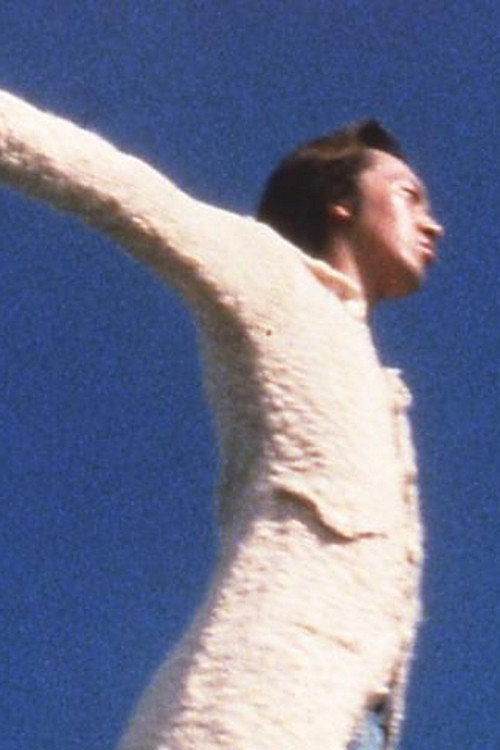
WA-HA-HA 1999
In the sweltering summer of 1999, a young filmmaker in a secluded mountain town of Yamanashi prefecture captured fleeting moments of everyday life through the lens of an old Bolex 16mm camera.
Director: Kazushi Ozawa
Cast
Frequently Asked Questions
What is WA-HA-HA (1999) about?
WA-HA-HA (1999) is a short experimental film set in a peaceful mountain town in Yamanashi during the summer of 1999. It follows a young filmmaker using a Bolex camera to document the rhythms of life—capturing moments that feel both ordinary and profound, framed in grainy 16mm film.
Who directed WA-HA-HA?
WA-HA-HA (1999) was directed by Kazushi Ozawa, a filmmaker known for his observational and poetic style.
Who stars in WA-HA-HA?
The film stars Keito Obata, who appears as the filmmaker behind the camera, documenting life in the mountain town.
Is WA-HA-HA (1999) worth watching?
Though WA-HA-HA (1999) is unrated and unconventional, its beauty lies in its simplicity and atmosphere. Fans of slow cinema, analog visuals, and minimalist storytelling may find it a charming and reflective experience—especially if you appreciate films that celebrate the quiet poetry of everyday life.
How long is WA-HA-HA?
WA-HA-HA (1999) has a runtime of 48 minutes.
About WA-HA-HA (1999) — A Summer's Cinematic Memory in 16mm
In the sweltering summer of 1999, a young filmmaker in a secluded mountain town of Yamanashi prefecture captured fleeting moments of everyday life through the lens of an old Bolex 16mm camera. Kazushi Ozawa's WA-HA-HA (1999) is a meditative snapshot of time, turning mundane scenes into poetic fragments that ripple with nostalgia and quiet beauty. Stripped of conventional narrative, this short film feels like a personal diary unfolded on screen—where the hum of cicadas and the crunch of gravel become the soundtrack to a story told in glances and gestures.
WA-HA-HA (1999) isn't just about what's seen—it's about what lingers. The film's minimalist aesthetic and contemplative pacing invite viewers to slow down and savor the textures of rural Japan at the turn of the millennium. Shot on analog film, the grainy visuals evoke a sense of intimacy and immediacy, as if we're peering over the filmmaker's shoulder at a private moment of discovery. It's a cinematic time capsule, preserving the essence of a place and a mood with disarming simplicity and warmth.