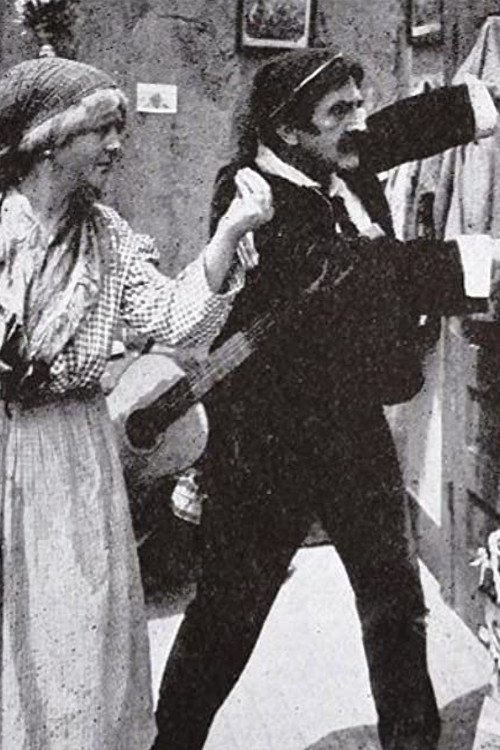
The Terror of Conscience 1913
Dive into the eerie world of silent-era drama *The Terror of Conscience (1913)*, where illusion and reality blur dramatically.
Cast


Frequently Asked Questions
What is The Terror of Conscience (1913) about?
The film follows a celebrated actor portraying Cardinal Richelieu who encounters an Italian man outside the theater. The man, wracked with guilt, confesses his sins—mistaking the actor for a priest. As the actor listens in stunned silence, the boundaries between stage and confession blur, leading to unforeseen consequences.
Who directed The Terror of Conscience?
Director information is not available.
Who stars in The Terror of Conscience?
The main cast features James Vincent, Alice Hollister, and James B. Ross in key roles that drive the film's psychological tension.
Is The Terror of Conscience (1913) worth watching?
As an early silent drama, it's a compelling watch for fans of vintage cinema and psychological suspense, even if the lack of rating and runtime limits its modern appeal. The film's clever narrative hook and thematic depth make it a noteworthy curiosity.
How long is The Terror of Conscience?
Runtime details are not listed.
About The Terror of Conscience (1913) — Silent Drama with a Twist of Guilt
Dive into the eerie world of silent-era drama *The Terror of Conscience (1913)*, where illusion and reality blur dramatically. Starring James Vincent as a renowned actor playing Cardinal Richelieu, the film takes a chilling turn when a guilt-ridden Italian mistakes him for a priest at a stage door and spills his darkest secrets. The 1913 silent classic thrives on themes of mistaken identity, moral conflict, and psychological suspense, all bathed in the moody shadows of early cinema. With Alice Hollister and James B. Ross rounding out the cast, this atmospheric tale weaves betrayal and redemption into a compact yet gripping narrative that feels eerily ahead of its time.
Set against the backdrop of theatrical backstage intrigue, *The Terror of Conscience* explores the weight of conscience when it collides with performance and identity. The film's black-and-white cinematography amplifies the sense of tension and moral dilemma, making it a fascinating watch for fans of vintage cinema and psychological drama alike. Whether you're drawn to its historical significance or its timeless themes, this silent-era gem offers a haunting journey into guilt and misplaced trust.