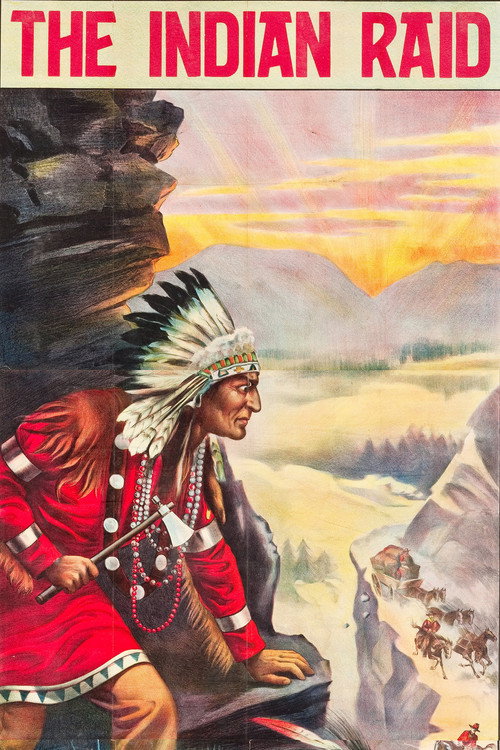
The Indian Raid 1911
Step back to the dawn of cinema with *The Indian Raid* (1911), one of the earliest surviving silent westerns that captures the raw frontier spirit through flickering frames and dramatic storytelling.
Director: James Young Deer
Frequently Asked Questions
What is The Indian Raid (1911) about?
*The Indian Raid* (1911) is a silent short film that portrays a tense confrontation on the American frontier, likely centered on settlers and Indigenous communities. The plot, typical of early Westerns, focuses on survival, conflict, and the rugged determination of its characters against a harsh landscape.
Who directed The Indian Raid?
The film was directed by James Young Deer, a trailblazing filmmaker and one of the first Native American directors in early Hollywood.
Who stars in The Indian Raid?
Cast details for *The Indian Raid* (1911) are not listed in historical records, leaving the performers behind this silent Western a mystery.
Is The Indian Raid (1911) worth watching?
*The Indian Raid* (1911) is more of a historical curiosity than a modern cinematic masterpiece, but it offers invaluable insight into the origins of the Western genre. Its significance lies in its place in silent film history rather than its narrative depth or production scale.
How long is The Indian Raid?
Runtime details for *The Indian Raid* (1911) are not listed.
About The Indian Raid (1911) — Discover the early silent Western that shaped the genre
Step back to the dawn of cinema with *The Indian Raid* (1911), one of the earliest surviving silent westerns that captures the raw frontier spirit through flickering frames and dramatic storytelling. Directed by James Young Deer, a pioneering Native American filmmaker, this short film offers a snapshot of early filmmaking craftsmanship, blending action, tension, and a hint of historical authenticity in its portrayal of conflict on the American frontier. The sparse surviving details suggest a tense standoff between settlers and Indigenous peoples, rendered in the stark black-and-white palette that defined the era. While the plot remains shrouded in time, the film's atmosphere evokes curiosity and respect for the early pioneers of Western cinema who shaped the genre long before sound and color.
Though *The Indian Raid* may be a modest relic compared to later epics, its significance lies in its place in film history as a silent-era gem that provides insight into how early 20th-century audiences experienced stories of adventure and confrontation. The film's legacy is as much about the techniques and perspectives of its era as it is about its narrative. Today, it serves as a fascinating artifact for cinephiles and historians alike, offering a glimpse into the visual language of silent storytelling and the enduring themes of frontier survival and cultural clash that continue to resonate in Westerns.
Whether you're a history buff, a silent film enthusiast, or simply curious about the evolution of cinema, *The Indian Raid* (1911) is a brief but meaningful entry point into the earliest days of American motion pictures. Its preservation is a testament to the fragile yet enduring nature of early filmmaking.