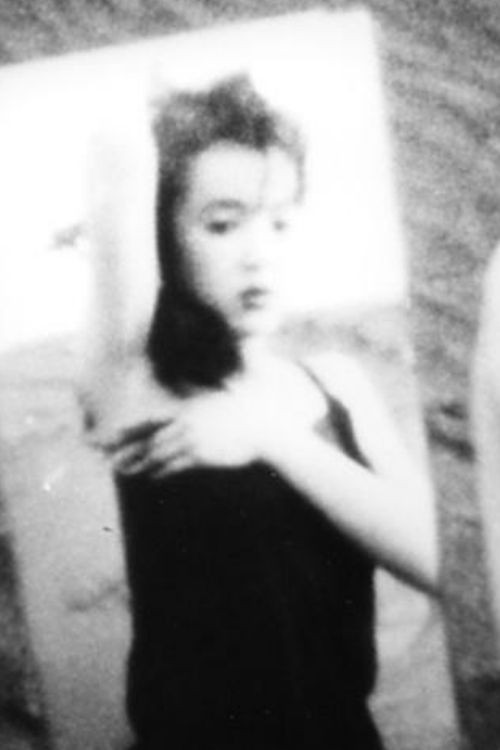
Hands 1991
Takako Miyasaka's poignant short film *Hands (1991)* captures the quiet drama woven into everyday existence through a mesmerizing lens focused on the human hand.
Director: Takako Miyasaka
Frequently Asked Questions
What is Hands (1991) about?
*Hands* is a 10-minute short film that explores the profound stories and emotions hidden within everyday human gestures. Through close-up observations of hands in various roles—working, loving, creating—it weaves a subtle narrative about time, connection, and the unspoken language of humanity.
Who directed Hands?
The film was directed by Takako Miyasaka, a filmmaker known for her visually poetic and introspective approach to storytelling.
Who stars in Hands?
The cast of *Hands* is not listed, but the film features hands belonging to people across generations, symbolizing the universal human experience.
Is Hands (1991) worth watching?
*Hands* may be a short film, but its quiet intensity and universal themes make it a rewarding watch for fans of contemplative cinema. While it's unrated, its artistic merit and emotional depth stand out, offering a unique perspective in under 15 minutes.
How long is Hands?
The runtime of *Hands* is 10 minutes.
About Hands (1991) — A Poetic Short Film That Finds Drama in Everyday Gestures
Takako Miyasaka's poignant short film *Hands (1991)* captures the quiet drama woven into everyday existence through a mesmerizing lens focused on the human hand. With surgical precision, the 10-minute piece observes how these tools of creation, labor, care, and expression connect generations—young hands reaching for the future, aged hands preserving the past, all moving in rhythms both ordinary and profound. Miyasaka crafts a visual poem where each gesture, from stirring a pot to holding a fragile thread, becomes a microcosm of life's unscripted stories. The film's contemplative tone lingers like the echo of a well-worn melody, inviting viewers to see the extraordinary in the mundane.
Through its deceptively simple premise, *Hands* transcends its brief runtime, becoming a meditation on time, memory, and human interconnectedness. The hands on screen narrate without words, revealing the spectrum of human emotion—joy in a child's clap, sorrow in a parent's grip, determination in a worker's labor. It's a cinematic whisper that grows into a resonant chorus, proving that the stories we cherish are often held not in our voices, but in our palms.