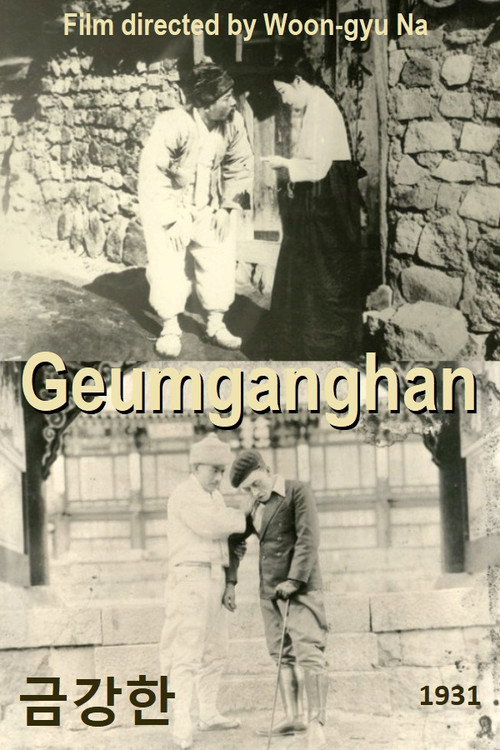
The Grief of Geumgan 1931
Set against the turbulent backdrop of 1930s Korea, *The Grief of Geumgan (1931)* is a raw and emotionally charged drama directed by the visionary Woon-gyu Na.
Director: Woon-gyu Na
Cast

Frequently Asked Questions
What is The Grief of Geumgan (1931) about?
A wealthy man's careless actions lead to a tragic pregnancy and suicide, setting off a chain of vengeance that ends in murder. The film grapples with themes of guilt and social inequality in 1930s Korea.
Who directed The Grief of Geumgan?
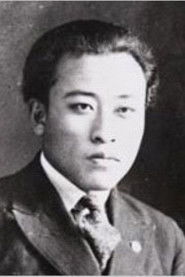
The film was directed by Woon-gyu Na, a pioneering figure in early Korean cinema known for blending drama and action.
Who stars in The Grief of Geumgan?
The cast features Woon-gyu Na himself, Jeong-suk Kim in a pivotal role, and Mitsuru Toyama alongside other notable performers of the era.
Is The Grief of Geumgan (1931) worth watching?
While it's a silent film from another era, its intense drama and moral complexity make it intriguing for fans of classic cinema. Its historical significance and emotional depth provide plenty to discuss and appreciate.
How long is The Grief of Geumgan?
Runtime details are not listed.
About The Grief of Geumgan (1931) — A Korean Silent Drama of Revenge and Regret
Set against the turbulent backdrop of 1930s Korea, *The Grief of Geumgan (1931)* is a raw and emotionally charged drama directed by the visionary Woon-gyu Na. The story unfolds with the reckless antics of a wealthy playboy whose life spirals into tragedy after he impregnates a village girl, leading to her heartbreaking suicide. His misdeeds catch up with him when his former wife, consumed by vengeance, delivers a final, fatal blow. Blending drama with bursts of action, Na's film weaves a cautionary tale about privilege, guilt, and the inescapable weight of one's choices. The atmosphere is heavy with regret and moral reckoning, painting a stark portrait of early 20th-century society where class divides and personal vendettas collide.
Directed by Woon-gyu Na and anchored by powerful performances from Jeong-suk Kim and Mitsuru Toyama, *The Grief of Geumgan (1931)* transcends its era to explore universal themes of justice and retribution. The black-and-white visuals and restrained yet intense storytelling create a haunting experience, making it a standout in Korean silent cinema. Though a century old, its emotional core resonates with modern audiences craving stories that challenge moral boundaries.