Rouge 1998
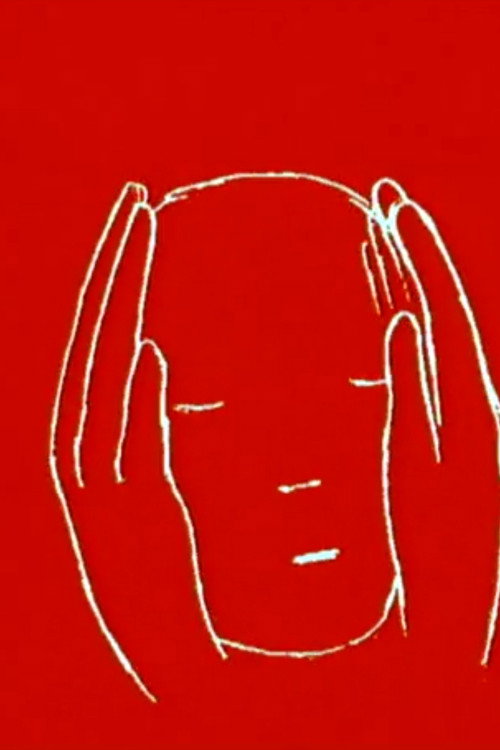
Rouge (1998) is a mesmerizing slice of experimental animation that distills cinema into a single, unforgettable minute.
Director: Claudia Muratori
Frequently Asked Questions
What is Rouge (1998) about?
This hypnotic animated short explores the boundaries of human connection through a striking visual metaphor. In just under a minute, it transforms the fragility of life into a poetic dance of bodies and color, leaving viewers to interpret its meaning.
Who directed Rouge?
Claudia Muratori is the visionary behind this experimental short, known for her bold and evocative approach to animation.
Who stars in Rouge?
Cast details for this abstract short film are not publicly listed, reflecting its focus on visual storytelling over traditional performance.
Is Rouge (1998) worth watching?
As an unrated experimental piece, Rouge (1998) may not appeal to mainstream audiences, but its artistic ambition and haunting imagery make it a fascinating watch for fans of avant-garde cinema. If you appreciate animation that pushes boundaries, it's well worth tracking down.
How long is Rouge?
This animated short clocks in at just 1 minute, making it a quick yet impactful cinematic experience.
🎥 Trailer
About Rouge (1998) — Claudia Muratori's Experimental Animation Masterpiece Explored
Rouge (1998) is a mesmerizing slice of experimental animation that distills cinema into a single, unforgettable minute. Directed by Claudia Muratori, this abstract short film uses striking visuals and a bold color palette to explore themes of mortality, intimacy, and the human form. The haunting imagery of intertwined bodies against a vivid red backdrop blurs the line between art and emotion, creating an atmosphere that lingers long after the credits roll.
Widely regarded as a cult favorite among avant-garde cinema enthusiasts, Rouge transcends traditional storytelling to deliver a sensory experience that challenges perceptions. Its concise runtime belies its depth, as every frame feels deliberate, evoking a sense of both urgency and timelessness. For fans of unconventional filmmaking, this is a must-see that proves less can indeed be more.