The First Political Speech 1993
In this sharp 2-minute animated short *The First Political Speech* (1993), director Michaela Zabranska crafts a biting satire about the hypnotic power of empty rhetoric.
Director: Michaela Zabranska
Cast
Frequently Asked Questions
What is The First Political Speech (1993) about?
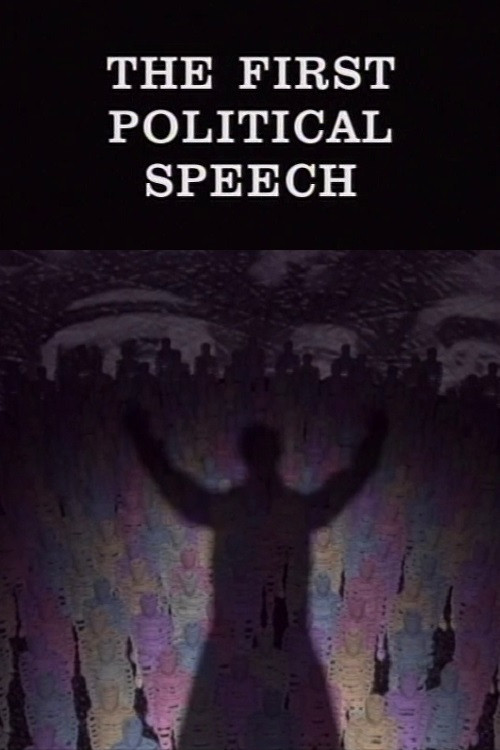
*The First Political Speech* presents a crowd of robotic figures entranced by a faceless speaker whose charismatic but meaningless words compel them to react unquestioningly. The animation critiques the spectacle of political performance, where images of world leaders loom like ghosts, and applause becomes an automatic response rather than a thoughtful act.
Who directed The First Political Speech?
The film was directed by Michaela Zabranska, whose work on this short showcases a keen eye for visual irony and political metaphor.
Who stars in The First Political Speech?
The cast features Michael Johal in the only credited role, with the film's focus shifting from individuals to the broader themes of crowd psychology and power.
Is The First Political Speech (1993) worth watching?
At just two minutes long, *The First Political Speech* is a standout example of animated satire, though its niche appeal and abstract style may limit broad interest. The film's sharp critique and striking visuals make it a compelling watch for fans of political commentary and experimental animation.
How long is The First Political Speech?
The runtime is approximately 2 minutes.
About The First Political Speech (1993) — A 2-Minute Animated Satire on Empty Rhetoric
In this sharp 2-minute animated short *The First Political Speech* (1993), director Michaela Zabranska crafts a biting satire about the hypnotic power of empty rhetoric. The film follows a crowd of mechanical 'robotniks'—humanoid figures seemingly designed for obedience—who gather to hear a speaker whose voice, though charismatic and humorous, carries no real substance. Shadows dance across the screen as the anonymous orator evokes hazy silhouettes of global leaders past, present, and future, manipulating the crowd into rapturous applause despite the speech's hollow intent. The animation's minimalist style amplifies the irony, turning political spectacle into a surreal, almost hypnotic experience that feels eerily timeless.
Themes of manipulation and mass psychology linger beneath the surface, as Zabranska's direction blurs the line between reverence and dehumanization. With only Michael Johal credited in the cast, the focus remains squarely on the spectacle itself—less about individual personalities and more about how power shapes perception. The result is a provocative, fleeting snapshot of political theater that lingers long after the credits roll.