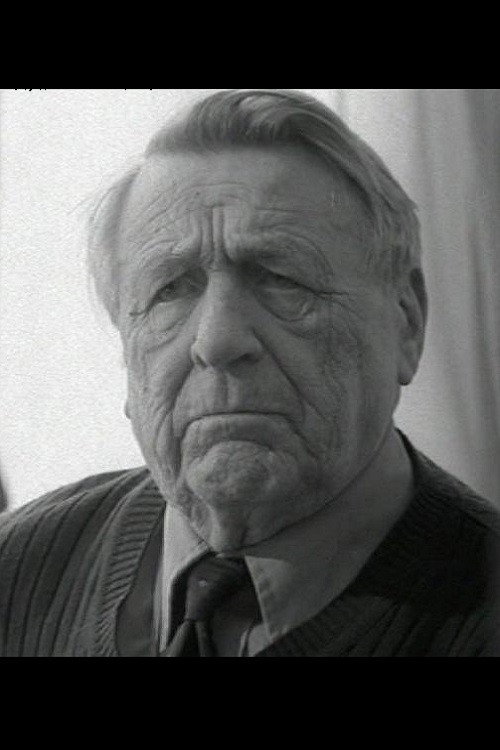
Arnold Matteus 1982
Dive into the life of Arnold Matteus, Tartu's visionary chief architect, in this 1982 Estonian documentary *Arnold Matteus*.
Director: Andres Sööt
Frequently Asked Questions
What is Arnold Matteus (1982) about?
This documentary traces the life of Arnold Matteus, Tartu's chief architect from 1930 to 1944, who designed buildings that defined the city's identity. Through historical footage and interviews, it reveals how one man's work endured political upheavals while preserving a sense of cultural continuity.
Who directed Arnold Matteus?
The film was directed by Andres Sööt, a respected Estonian filmmaker known for his documentaries exploring cultural and historical themes.
Who stars in Arnold Matteus?
The documentary focuses on Arnold Matteus himself, with no major cast actors listed—it's a historical portrait rather than a narrative film.
Is Arnold Matteus (1982) worth watching?
While *Arnold Matteus* isn't widely rated on IMDb, its niche appeal lies in its focus on Estonian architectural history and Matteus's unique role as a bridge between eras. If you enjoy deep dives into regional history or documentary storytelling, it's a compelling watch.
How long is Arnold Matteus?
The runtime is 54 minutes.
About Arnold Matteus (1982) — Discover Tartu's Forgotten Architectural Genius
Dive into the life of Arnold Matteus, Tartu's visionary chief architect, in this 1982 Estonian documentary *Arnold Matteus*. Directed by Andres Sööt, this 54-minute film explores the legacy of a man who shaped a city through turbulent decades—from the Weimar Republic to the shadows of World War II. A diplomat and master of compromise, Matteus stood at the crossroads of politics and creativity, navigating shifting governments with quiet determination. The film paints a portrait of a gentleman architect whose work and ideals left indelible marks on Tartu's urban soul.
Through archival glimpses and thoughtful interviews, *Arnold Matteus (1982)* captures the essence of a man who balanced idealism with pragmatism. The documentary unfolds like a visual essay, blending historical context with personal insight into a figure who thrived in both quiet moments and stormy eras. It's a window into Estonia's architectural and cultural history, told through the life of one of its most influential sons.