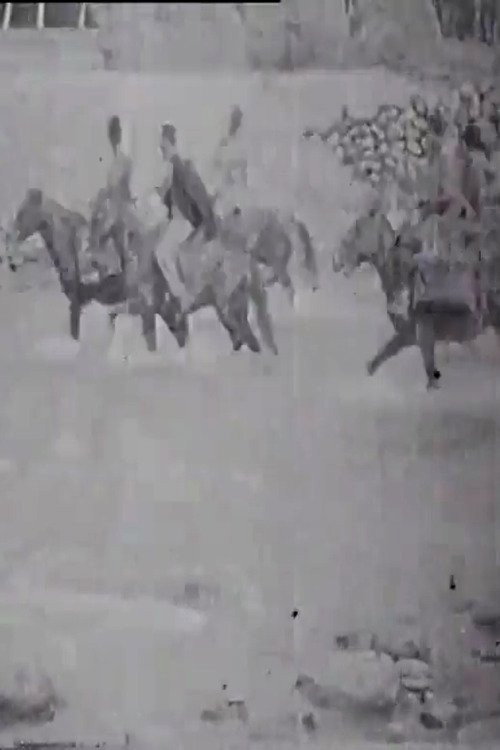
Riding Servants Cross the River 1901
Step back to the dawn of cinema with *Riding Servants Cross the River* (1901), a rare glimpse into Iran's earliest filmmaking under Mirza Ebrahim Khan Akkas Bashi.
Director: Mirza Ebrahim Khan Akkas Bashi
Frequently Asked Questions
What is Riding Servants Cross the River (1901) about?
This short documentary captures Qajar-era servants crossing a river—probably the Jajrood—while guiding heavily laden horses. It's a snapshot of early 20th-century Persia, showcasing labor, tradition, and the simple yet powerful act of survival in a rugged landscape.
Who directed Riding Servants Cross the River?
The film was directed by Mirza Ebrahim Khan Akkas Bashi, a pioneering figure in Iran's early cinema history who helped lay the groundwork for Persian filmmaking.
Who stars in Riding Servants Cross the River?
The cast consists of unnamed servants and horses depicted in the documentary, reflecting the real-life laborers of the era rather than professional actors.
Is Riding Servants Cross the River (1901) worth watching?
While it's a silent 5-minute documentary with no stars or plot, its historical value is undeniable. Fans of early cinema or Persian history will appreciate its raw authenticity and place in film history—though it's far from a modern viewing experience.
How long is Riding Servants Cross the River?
The film runs approximately 5 minutes in length.
About Riding Servants Cross the River (1901) — Iran's Earliest Surviving Film Revealed
Step back to the dawn of cinema with *Riding Servants Cross the River* (1901), a rare glimpse into Iran's earliest filmmaking under Mirza Ebrahim Khan Akkas Bashi. This short documentary captures a moment frozen in time—Qajar-era servants guiding laden horses across a flowing river, likely the Jajrood. The scene pulses with raw authenticity, showcasing the endurance and teamwork of everyday laborers against the backdrop of Iran's rugged landscape. Shot in stark black and white, the film exudes a simplicity that underscores its historical weight, offering contemporary viewers a quiet but profound connection to early 20th-century life and the birth of Persian cinema.
Directed by one of Iran's pioneering filmmakers, this five-minute marvel belongs to the documentary genre, where historical documentation trumps cinematic spectacle. Though modest in scale, it carries immense cultural significance, marking Iran's first contributions to global film history. The absence of dialogue or dramatic flourishes makes its charm even more subtle, inviting audiences to appreciate the unfiltered beauty of a bygone era—where every ripple in the river and every step of the horses tell a story worth remembering.