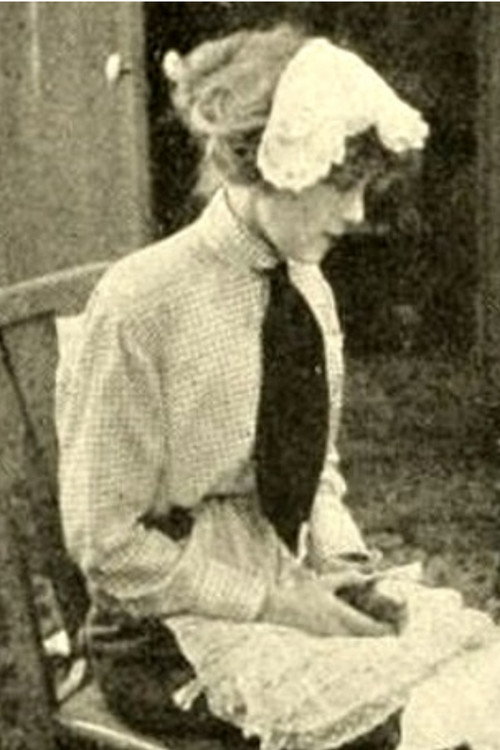
Dottie's New Doll 1912
In this charming early silent-era short, Dottie's beloved doll "Beautiful Bess" meets an unexpected fate, sending her mother into a tizzy of worry.
Director: Lucius Henderson
Cast


Frequently Asked Questions
What is Dottie's New Doll (1912) about?
This 1912 silent short follows young Dottie as she grapples with the heartbreak of her beloved doll "Beautiful Bess" being accidentally damaged. The film blends gentle humor with emotional stakes, highlighting the intense bonds children form with their toys and the lessons learned when they're lost.
Who directed Dottie's New Doll?
Lucius Henderson directed *Dottie's New Doll* as part of the silent-era comedy-drama tradition.
Who stars in Dottie's New Doll?
The film features Helen Badgley as Dottie, Florence La Badie, Marguerite Snow, Ethyle Cooke, and Marie Eline in key roles.
Is Dottie's New Doll (1912) worth watching?
While *Dottie's New Doll* isn't rated on IMDb, its blend of lighthearted family drama and early silent-era charm makes it an enjoyable watch for fans of vintage cinema. The short runtime and nostalgic themes add to its appeal, though it's best viewed as a piece of historical entertainment rather than a modern masterpiece.
How long is Dottie's New Doll?
Dottie's New Doll has a runtime of 12 minutes.
Dottie's New Doll (1912): A Silent-Era Comedy-Drama About Love and Loss
In this charming early silent-era short, Dottie's beloved doll "Beautiful Bess" meets an unexpected fate, sending her mother into a tizzy of worry. Directed by Lucius Henderson, this 1912 comedy-drama captures the delicate balance between childhood innocence and the harsh realities of fragile toys. With Helen Badgley at the heart of the story, the film explores themes of attachment, loss, and the bittersweet moments of growing up.
The atmosphere is light yet poignant, blending humor with a touch of melancholy as Dottie learns that even the most treasured possessions aren't immune to mishaps. Henderson's direction keeps the tone playful, making *Dottie's New Doll (1912)* a delightful snapshot of early 20th-century family life, where a broken doll can feel like the end of the world.