The Russian Mute 1912
The Russian Mute (1912) is a charming early silent short that captures the innocent drama of childhood through a birthday party celebration.
Cast

Frequently Asked Questions
What is The Russian Mute (1912) about?
Set during a children's birthday party, the film follows a wealthy young boy whose celebration becomes complicated when his older cousin competes for the affection of the same little girl the birthday boy admires, creating a sweet rivalry that explores early feelings of jealousy and young love.
Who directed The Russian Mute?
Director information is not available for this 1912 silent film.
Who stars in The Russian Mute?
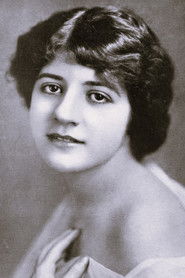
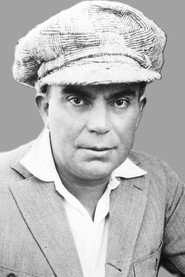
The film features performances from Marguerite Snow, James Cruze, Leland Benham, and Marie Eline in key roles.
Is The Russian Mute (1912) worth watching?
While unrated on IMDb, this brief silent comedy-drama offers historical value for film enthusiasts interested in early cinema and childhood-centered narratives. Its short runtime makes it an accessible glimpse into 1910s filmmaking and social dynamics.
How long is The Russian Mute?
The film runs for 6 minutes.
The Russian Mute (1912): Silent Era Childhood Drama — Full Movie Info
The Russian Mute (1912) is a charming early silent short that captures the innocent drama of childhood through a birthday party celebration. When a wealthy seven-year-old hosts his special day surrounded by friends, the festivities take an unexpected turn as a slightly older cousin becomes enamored with the same girl who has caught the birthday boy's attention. This creates a tender rivalry that transforms what should be pure joy into a moment of youthful jealousy and emotional discovery.
Directed by an unknown filmmaker, this six-minute comedy-drama features performances from Marguerite Snow, James Cruze, Leland Benham, and Marie Eline. The film beautifully showcases the simplicity and directness of early 20th century cinema, where universal themes of love, competition, and growing up could be conveyed without dialogue. Despite its brief runtime, The Russian Mute manages to create an authentic atmosphere of childhood innocence disrupted by the first pangs of affection and possessiveness.
As a surviving piece of cinematic history, this film offers valuable insight into the storytelling techniques and social dynamics of the early 1910s. The Russian Mute (1912) remains a fascinating glimpse into the transition from Victorian sensibilities to more modern expressions of emotion, all within the framework of family entertainment that would define the emerging film industry.