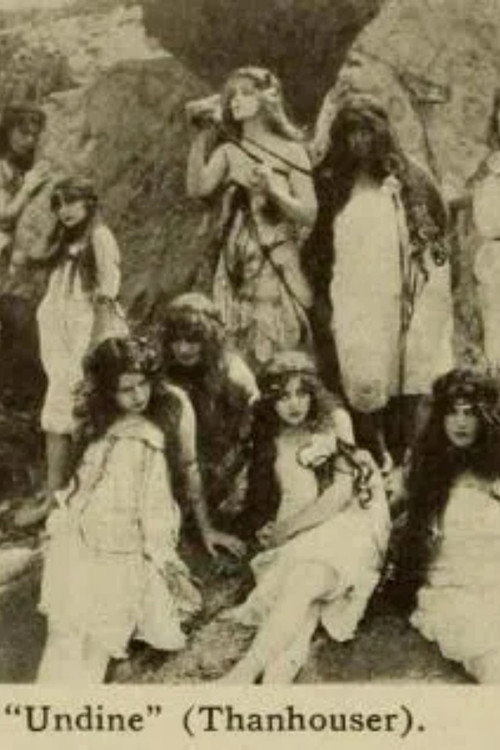
Undine 1912
Step back to a time when chivalry lit the path and magic lingered in every leaf when "Undine (1912)" premiered, a silent-era romance wrapped in fantasy that transports viewers to enchanted forests where mythical creatures and daring knights once shared the earth.
Director: Lucius Henderson
Cast

Frequently Asked Questions
What is Undine (1912) about?
"Undine" transports audiences to a myth-soaked past where a knight falls for a mysterious woman tied to nature's magic. Their love story unfolds against a backdrop of enchanted forests and legendary creatures, blending romance with a touch of the otherworldly.
Who directed Undine?
Lucius Henderson directed this early silent gem, bringing a director's eye to the blend of fantasy and period romance.
Who stars in Undine?
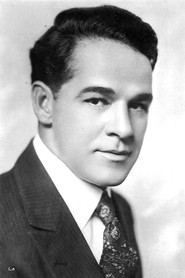
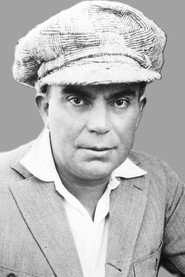
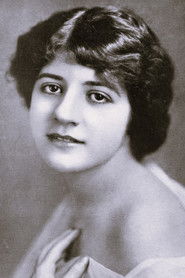
The film stars Florence La Badie as the lead, with William Russell, James Cruze, Marguerite Snow, and Riley Chamberlin rounding out the cast.
Is Undine (1912) worth watching?
While it's a short silent film from cinema's infancy, "Undine" offers a charming glimpse into early fantasy storytelling. Its blend of romance and folklore makes it a curiosity for silent-era enthusiasts, though expectations should align with its 20-minute runtime.
How long is Undine?
The film runs for approximately 20 minutes.
About Undine (1912) — Silent-Era Fantasy Romance with Florence La Badie
Step back to a time when chivalry lit the path and magic lingered in every leaf when "Undine (1912)" premiered, a silent-era romance wrapped in fantasy that transports viewers to enchanted forests where mythical creatures and daring knights once shared the earth. Directed by Lucius Henderson, this short film spins a tale as timeless as the legends it nods to, blending courtly love with elemental wonder. Florence La Badie commands the screen as the elusive title character, with William Russell and Marguerite Snow weaving through a story steeped in medieval yearning and the mysteries of nature.
The film's atmosphere hums with the quiet power of a bygone era, where every frame feels like a brushstroke from an illustrated fairy tale. Layered with fantasy tropes yet anchored in romance, "Undine" offers a glimpse into early cinema's love affair with folklore and spectacle, where the camera's gaze feels both intimate and mythic.