When Dreams Come True 1913
In the silent-era drama *When Dreams Come True* (1913), directed by Lucius Henderson, a modest California orange-grove couple dreams of escaping their quiet lives to chase fortune and indulge every whim.
Director: Lucius Henderson
Cast
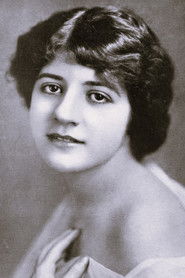
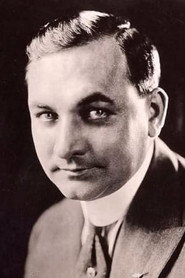
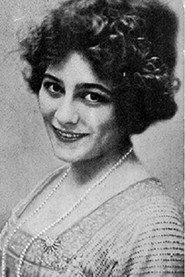
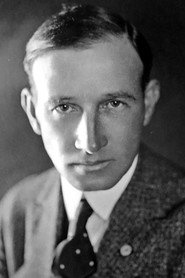
Frequently Asked Questions
What is When Dreams Come True (1913) about?
*When Dreams Come True* (1913) follows a humble California couple who find their modest lives transformed when an unexpected windfall grants them the wealth to live out every desire. Their journey from quiet grove owners to extravagant dreamers unfolds with quiet charm, revealing how fortune changes perspective without changing the heart.
Who directed When Dreams Come True?
The film was directed by Lucius Henderson, a pioneering figure in early American cinema whose work often explored human emotions and social themes.
Who stars in When Dreams Come True?
The film stars Marguerite Snow and John G. Adolfi as the central couple, alongside supporting performances from Peggie Reid, Anne Drew, and William A. Carroll.
Is When Dreams Come True (1913) worth watching?
As a silent-era drama, *When Dreams Come True* offers a gentle glimpse into early filmmaking and storytelling, ideal for fans of nostalgia or historical cinema. While it lacks modern spectacle, its straightforward emotional core and historical value make it a curiosity worth exploring for silent-film enthusiasts.
How long is When Dreams Come True?
Runtime details are not listed.
About When Dreams Come True (1913) — A Silent Era Tale of Fate and Fancy
In the silent-era drama *When Dreams Come True* (1913), directed by Lucius Henderson, a modest California orange-grove couple dreams of escaping their quiet lives to chase fortune and indulge every whim. Their modest existence shifts dramatically when fate—through a twist of luck—grants them unexpected wealth, transforming their world beyond anything they imagined. Henderson crafts a tender exploration of aspiration and transformation, where the innocence of early cinema meets the universal longing for more. The film's gentle pacing and heartfelt performances by Marguerite Snow and John G. Adolfi weave a tale of hope and serendipity. As the couple's prayers are answered, the story skims the surface of their newfound extravagance before circling back to the quiet truth beneath: that richness isn't measured in gold alone, but in the dreams that dared to bloom.
Draped in the black-and-white poetry of 1913, *When Dreams Come True* captures a moment when cinema was just beginning to whisper to audiences about the magic hidden in everyday lives. The film's nostalgic charm lies in its simplicity, a reminder that even in an era of grandeur, the greatest stories are often the most human.