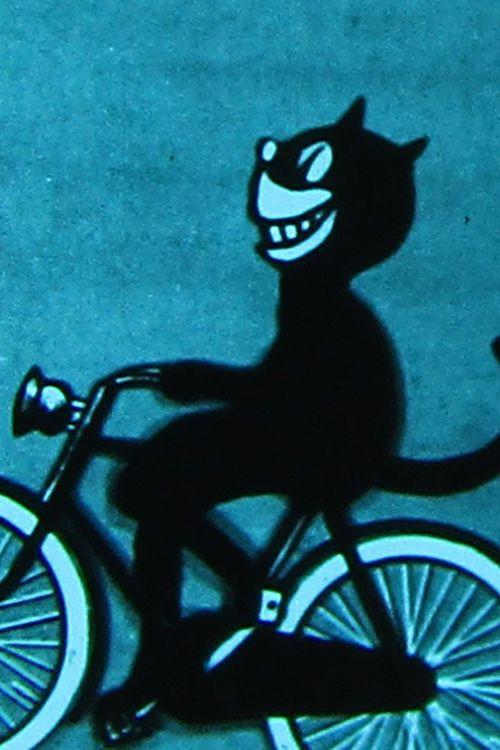
A Trip to the Moon 1928
A Trip to the Moon (1928) is a whimsical silent Dutch animation crafted as a playful advertisement for Kroon bicycles.
Director: George Debels
Frequently Asked Questions
What is A Trip to the Moon (1928) about?
This silent Dutch animated short follows a whimsical cat's adventure to the moon, pedaling past obstacles like meteorites with ease. The journey highlights the reliability of Kroon bicycles as the cat rides effortlessly through space, turning a simple ad into a playful cosmic tale.
Who directed A Trip to the Moon?
Director information is not available.
Who stars in A Trip to the Moon?
The film features an animated cat as its main character, though no credited actors are listed.
Is A Trip to the Moon (1928) worth watching?
As a silent animated short from 1928, it offers a unique glimpse into early advertising and animation techniques. While not a narrative powerhouse, its charm lies in its creativity and historical curiosity, making it a fun watch for vintage film fans.
How long is A Trip to the Moon?
The film runs for 2 minutes.
About A Trip to the Moon (1928) — A Quirky Silent Animation Short for Kroon Bicycles
A Trip to the Moon (1928) is a whimsical silent Dutch animation crafted as a playful advertisement for Kroon bicycles. Directed by George Debels, this two-minute short follows a hand-drawn cat's surreal journey to the lunar surface, where it effortlessly pedals past meteorites and obstacles. The film's charming, minimalist style contrasts with its cosmic adventure, blending fantasy with playful advertising ingenuity. Set against a backdrop of early animation, the piece captures a dreamlike atmosphere, where creativity meets commercial charm in a fleeting yet memorable cinematic moment.
Though brief, A Trip to the Moon (1928) stands out for its innovative use of animation to promote a product, offering a glimpse into the early days of creative advertising. The film's themes—ingenuity, escapism, and the power of imagination—shine through its simple yet effective storytelling. With its blend of humor and surrealism, it remains a curious artifact of early animation history, appealing to both vintage film enthusiasts and those curious about the evolution of animated advertisements.