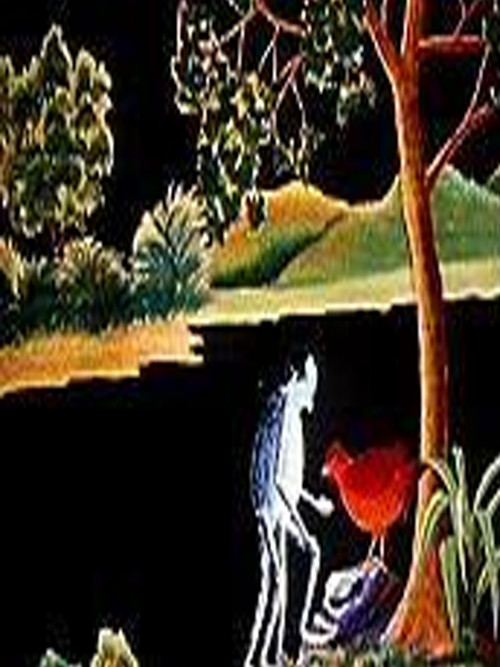
Ananse's Farm 1973
Discover *Ananse's Farm* (1973), a charming 7-minute animation by Ghanaian director John K. Ossei that weaves a clever folktale with a timeless moral.
Director: John K. Ossei
Frequently Asked Questions
What is Ananse's Farm (1973) about?
The film follows Ananse, a well-meaning spider who tries to resolve a feud between his friends using clever deception. His plan backfires, teaching a lesson about the consequences of misguided methods—even when the goal is noble. It's a folk-inspired tale with humor and heart.
Who directed Ananse's Farm?
The short film was directed by John K. Ossei, a pioneering figure in Ghanaian animation known for blending local folklore with cinematic storytelling.
Who stars in Ananse's Farm?
Ananse's Farm features the voice and creative vision of Ghanaian folktale characters, with Ananse the spider as the central figure.
Is Ananse's Farm (1973) worth watching?
As a 7-minute animated folktale, it's a charming and thought-provoking watch for fans of classic animation and cultural storytelling. While it's too short to judge on traditional lengths, its historical significance and moral depth make it a worthwhile discovery for animation enthusiasts.
How long is Ananse's Farm?
Ananse's Farm runs for just 7 minutes, making it a quick yet impactful cinematic experience.
About Ananse's Farm (1973) — Ghana's 1973 animated folktale with a twist
Discover *Ananse's Farm* (1973), a charming 7-minute animation by Ghanaian director John K. Ossei that weaves a clever folktale with a timeless moral. The story follows Ananse, a clever spider burdened by the feud dividing his friends, who devises an unconventional plan to restore peace. Rather than forcing reconciliation, he uses wit and subtle deception—only to learn that misguided intentions can backfire, no matter how noble the cause. Set against a backdrop of rich cultural storytelling, this short film blends humor, wisdom, and a gentle critique of means versus ends.
As one of Ghana's earliest animated gems, *Ananse's Farm* stands out for its folk-inspired narrative and concise storytelling, making it a fascinating snapshot of African animation in the 1970s. Its themes of conflict resolution and unintended consequences resonate universally, wrapped in the playful aesthetics of traditional folklore. Whether you're a fan of animation history or simply love a good moral tale, this understated classic offers a delightful, thought-provoking experience.