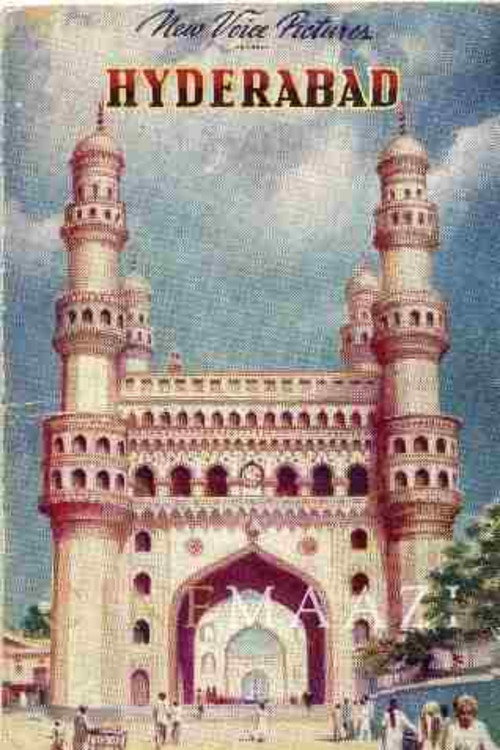
Hyderabad Ki Nazneen 1952
Set against the vibrant backdrop of mid-century Hyderabad, *Hyderabad Ki Nazneen* (1952) weaves a heartfelt tale of love, tradition, and personal freedom.
Frequently Asked Questions
What is Hyderabad Ki Nazneen (1952) about?
The film tells the story of a young woman in Hyderabad who challenges societal norms while seeking love and independence. Her journey is framed by the cultural and social dynamics of post-independence India, blending personal struggle with broader themes of tradition and modernity.
Who directed Hyderabad Ki Nazneen?
Director information is not available.
Who stars in Hyderabad Ki Nazneen?
The film features Manher Desai, Nigar Sultana, and Murad in prominent roles.
Is Hyderabad Ki Nazneen (1952) worth watching?
While *Hyderabad Ki Nazneen* may not boast a modern cinematic polish, its engaging performances and nostalgic setting make it a rewarding watch for fans of classic Indian cinema. The film's themes resonate with timeless struggles, offering both drama and emotional depth.
How long is Hyderabad Ki Nazneen?
Runtime details are not listed.
About Hyderabad Ki Nazneen (1952) — A Classic Drama of Love and Identity in the Nizam's City
Set against the vibrant backdrop of mid-century Hyderabad, *Hyderabad Ki Nazneen* (1952) weaves a heartfelt tale of love, tradition, and personal freedom. The film follows the story of a spirited young woman whose journey is as much about self-discovery as it is about navigating the societal expectations of her era. With a blend of drama and romance, the narrative explores themes of identity and courage, set against the rich cultural tapestry of the Nizam's city. The atmosphere is one of warmth and nostalgia, capturing the essence of a bygone era while delivering timeless lessons.
Starring the talented Manher Desai and Nigar Sultana, *Hyderabad Ki Nazneen* brings together a cast that infuses the film with charm and depth. Murad joins them, rounding out a trio that anchors the emotional core of the story. This classic from 1952 offers a glimpse into the cinematic storytelling of its time, balancing melodrama with moments of quiet introspection.