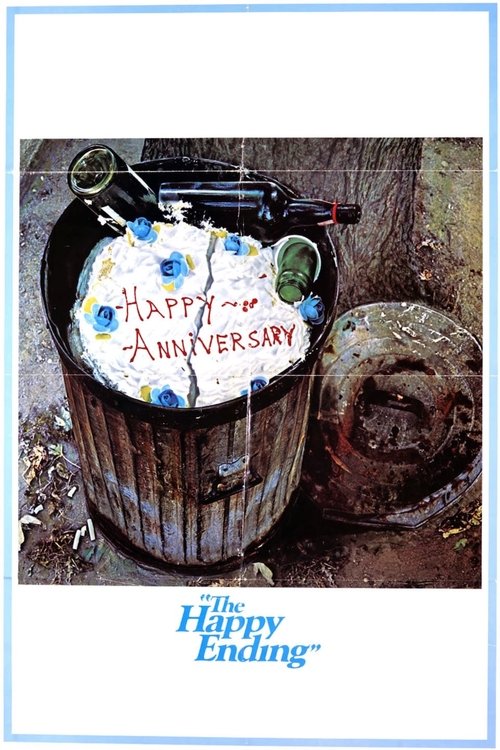
The Happy Ending 1969
"Marriage is a 30 billion dollar business! And that's just to get married."
Richard Brooks' 1969 drama *The Happy Ending* peels back the glittering facade of suburban matrimony to reveal the raw, unglamorous reality beneath.
Director: Richard Brooks
Cast
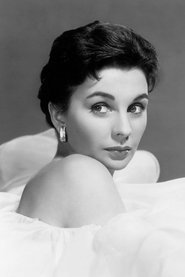
Jean Simmons
Mary Wilson
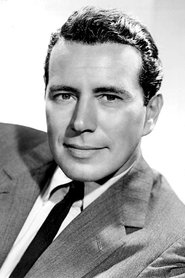
John Forsythe
Fred Wilson
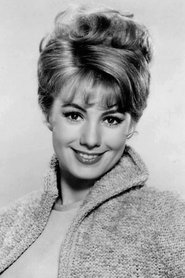
Shirley Jones
Flo Harrigan
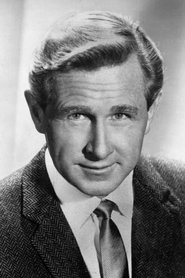
Lloyd Bridges
Sam
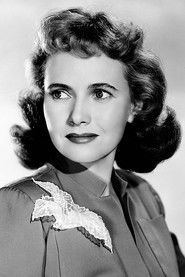
Teresa Wright
Mrs. Spencer
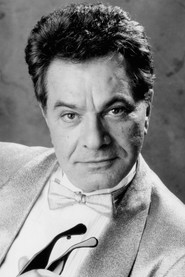
Dick Shawn
Harry Bricker
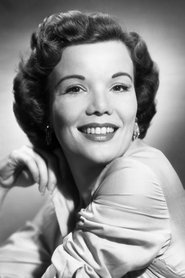
Nanette Fabray
Agnes
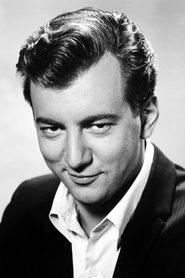
Bobby Darin
Franco
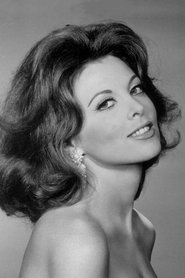
Tina Louise
Helen Bricker
Kathy Fields
Marge Wilson
Frequently Asked Questions
What is The Happy Ending (1969) about?
The film follows Mary Wilson, a woman whose once-charmed life has unraveled into alcoholism and marital betrayal after sixteen years of marriage. When a near-fatal overdose forces her to confront the emptiness of her existence, she escapes to the Bahamas, where she grapples with the shattered dreams of her past and the possibility of reclaiming her future.
Who directed The Happy Ending?
The film was directed by Richard Brooks, a celebrated filmmaker known for his incisive social dramas and adaptations of literary works.
Who stars in The Happy Ending?
The cast features Jean Simmons as Mary Wilson, John Forsythe as her unfaithful husband Fred, and Shirley Jones, Lloyd Bridges, and Teresa Wright in supporting roles that deepen the film's emotional resonance.
Is The Happy Ending (1969) worth watching?
While not a crowd-pleaser, *The Happy Ending* offers a compelling, understated drama that shines through Jean Simmons' standout performance. Its themes of disillusionment and resilience make it a thought-provoking watch for fans of character-driven films, though it may feel slow-paced for those seeking lighter fare.
How long is The Happy Ending?
The runtime of *The Happy Ending* is 112 minutes, or approximately 1 hour and 52 minutes.
🎥 Trailer
About The Happy Ending (1969) — A Gritty Look at Love and Illusion in Mid-Century America
Richard Brooks' 1969 drama *The Happy Ending* peels back the glittering facade of suburban matrimony to reveal the raw, unglamorous reality beneath. Jean Simmons stars as Mary Wilson, a woman whose fairy-tale wedding sixteen years earlier feels like a distant dream as her husband's infidelity and her own spiraling alcoholism push their once-promising marriage toward collapse. As she flees to the sun-soaked Bahamas to escape the wreckage of her life, Mary confronts the shattered illusions of love, ambition, and societal expectations that once defined her world. The film's stark exploration of personal reinvention and the fragility of happiness lingers long after the credits roll, wrapped in Brooks' unflinching direction and a tone that oscillates between melancholy and quiet defiance.
Set against the backdrop of a world obsessed with appearances, *The Happy Ending* questions whether happiness is truly achievable or merely a performance. Simmons delivers a powerhouse performance, embodying Mary's vulnerability and resilience as she navigates the treacherous intersection of personal truth and public persona. A poignant reflection on mid-century American life, the film remains as relevant today as it was in 1969, challenging viewers to reconsider what 'the happy ending' truly entails.