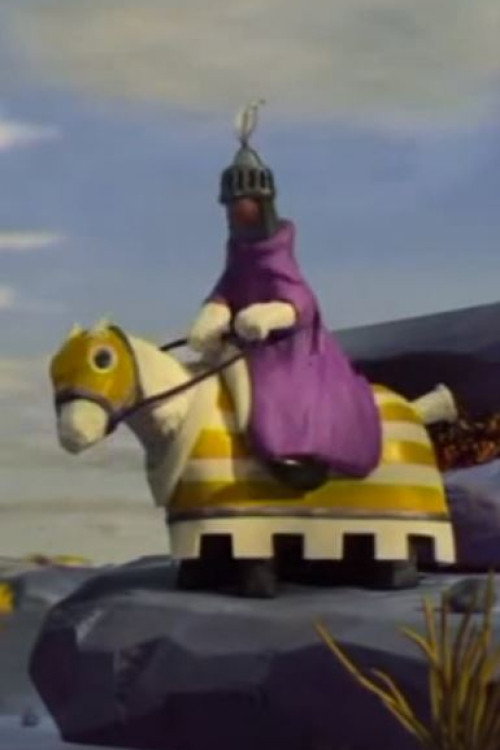
Arthur 2001
Arthur (2001) is a brief but enchanting clay animation short that brings Henry Purcell's opera "King Arthur" to life through visual storytelling.
Director: Guionne Leroy
Cast

Frequently Asked Questions
What is Arthur (2001) about?
Arthur (2001) is a clay animation adaptation that interprets Henry Purcell's opera "King Arthur" through visual storytelling, blending the classical themes with playful animation techniques.
Who directed Arthur?
Arthur (2001) was directed by Guionne Leroy, who brought his creative vision to this unique clay animation interpretation of Purcell's opera.
Who stars in Arthur?
The main cast of Arthur (2001) features Jesse Camacho in the lead role.
Is Arthur (2001) worth watching?
Arthur (2001) offers a unique artistic experience for fans of experimental animation and classical music. At just four minutes, it's a creative curiosity that showcases innovative claymation techniques, though its appeal may be limited by its extremely short length and niche subject matter.
How long is Arthur?
Arthur (2001) has a runtime of 4 minutes.
🎥 Trailer
About Arthur (2001) — Purcell's Opera Meets Clay Animation
Arthur (2001) is a brief but enchanting clay animation short that brings Henry Purcell's opera "King Arthur" to life through visual storytelling. Directed by Guionne Leroy, this four-minute musical comedy captures the whimsical spirit of Purcell's Baroque masterpiece while adding a playful, handcrafted charm that only stop-motion animation can provide.
The film transforms classical opera into accessible entertainment, blending the dramatic themes of love, magic, and British mythology with lighthearted humor. Leroy's creative interpretation strips away the complexity of full-scale opera while preserving its essential musical heart. Though brief, the animation style creates an atmospheric journey through Arthurian legend, making Purcell's work approachable for audiences who might not typically engage with opera.
With its unique fusion of Animation, Music, and Comedy genres, Arthur (2001) serves as both an artistic experiment and a loving tribute to classical composition. The claymation technique gives the characters a tactile, almost childlike quality that contrasts beautifully with the sophisticated musical score, creating a distinctive viewing experience that lingers well beyond its short runtime.