Conscience 1912
Directed by Maurice Costello, *Conscience (1912)* weaves a haunting moral drama steeped in early 20th-century social struggles. The film follows Eleanor Donelly, a young mother deceived by her lover Eric, who abandons her in New York after their elopement.
Director: Maurice Costello
Cast



Frequently Asked Questions
What is Conscience (1912) about?
*Conscience* tells the tragic story of Eleanor Donelly, a woman abandoned by her lover after eloping to New York. Struggling to care for her baby, she's driven to petty theft and finds herself trapped in a "chamber of horrors," where her guilt manifests in terrifying ways. The film blends early horror with a cautionary tale of moral consequence.
Who directed Conscience?
The film was directed by Maurice Costello, a pioneering figure in silent cinema who later became known for his work in early Hollywood.
Who stars in Conscience?
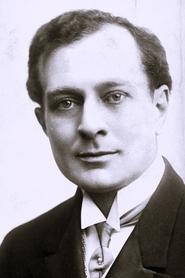
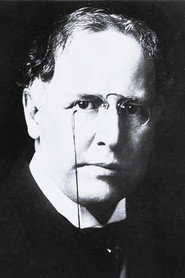
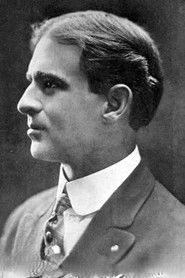
The film stars Rose Tapley as Eleanor Donelly, Maurice Costello as her lover Eric, and features Mary Maurice, Van Dyke Brooke, and Robert Gaillard in key supporting roles.
Is Conscience (1912) worth watching?
As an early silent-era horror-drama, *Conscience* is a fascinating piece of film history with strong performances and a claustrophobic atmosphere. While modern viewers may find its pacing slow by today's standards, its moral themes and psychological undertones make it a compelling watch for silent film enthusiasts.
How long is Conscience?
Conscience has a runtime of 10 minutes.
About Conscience (1912) — A Haunting Silent-Era Moral Drama with Psychological Depth
Directed by Maurice Costello, *Conscience (1912)* weaves a haunting moral drama steeped in early 20th-century social struggles. The film follows Eleanor Donelly, a young mother deceived by her lover Eric, who abandons her in New York after their elopement. Cornered by poverty and the desperate need to feed her child, Eleanor attempts a petty theft, only to flee into the grim embrace of a "chamber of horrors." There, her guilt and fear collide in a nightmarish confrontation with her conscience, blurring the line between punishment and redemption. Set against the stark backdrop of urban desperation, the short film explores themes of moral culpability and societal judgment with a chilling atmosphere.
As one of the earliest horror-drama hybrids, *Conscience* leverages its claustrophobic setting to amplify emotional tension, making it a fascinating relic of silent cinema. While its premise feels rooted in Victorian melodrama, the execution reflects the era's fascination with moral storytelling and psychological horror. With standout performances from Rose Tapley and Maurice Costello, the film delivers a compact yet powerful narrative that lingers long after the credits roll.