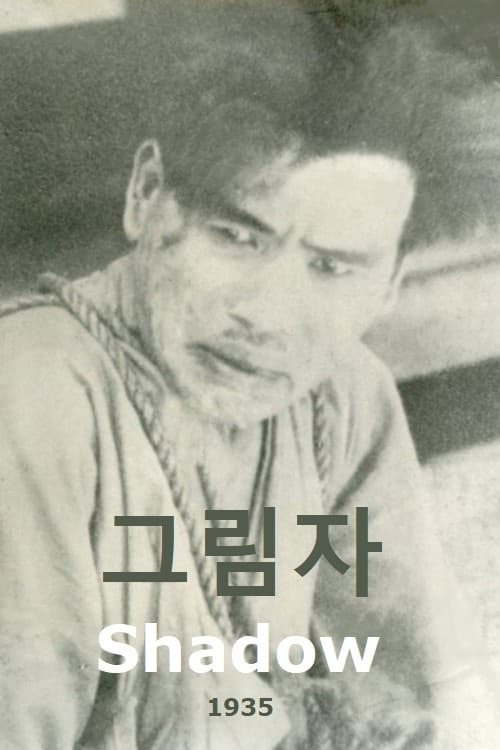
Shadow 1935
Dive into the emotional depths of early Korean cinema with *Shadow* (1935), a poignant silent-era melodrama directed by Woon-gyu Na. The film centers on a young woman, portrayed by Yun Bong-chun, whose life unravels under the cruelty of her stepmother and half-sister.
Director: Woon-gyu Na
Cast
Frequently Asked Questions
What is Shadow (1935) about?
*Shadow* follows a young woman who faces relentless abuse from her stepmother and half-sister, leading to a dramatic act of defiance. The film captures her emotional journey as she navigates a world of cruelty and hardship.
Who directed Shadow?
The film was directed by Woon-gyu Na, a pioneering figure in early Korean cinema.
Who stars in Shadow?
The cast includes Woon-gyu Na, Bang-ran Hyeon, Yun Bong-chun, and Bock-bon Lee.
Is Shadow (1935) worth watching?
*Shadow* is a fascinating glimpse into 1930s Korean cinema, offering a raw and emotional story. While it lacks the polish of later films, its themes and atmosphere make it a compelling watch for fans of silent-era cinema.
How long is Shadow?
Runtime details are not listed.
About Shadow (1935) — A Silent-Era Melodrama of Betrayal and Survival
Dive into the emotional depths of early Korean cinema with *Shadow* (1935), a poignant silent-era melodrama directed by Woon-gyu Na. The film centers on a young woman, portrayed by Yun Bong-chun, whose life unravels under the cruelty of her stepmother and half-sister. Forced from her home after enduring relentless abuse, her story takes a dramatic turn that lingers with audiences long after the credits roll.
Set against a backdrop of stark contrasts and raw emotions, *Shadow* explores themes of oppression, resilience, and the quiet moments of defiance that define survival. The atmosphere is heavy with tension, as the protagonist's journey unfolds in a way that feels both timeless and deeply personal. With Woon-gyu Na at the helm, the film captures the essence of 1930s Korean cinema, blending romance with a stark portrayal of human frailty.