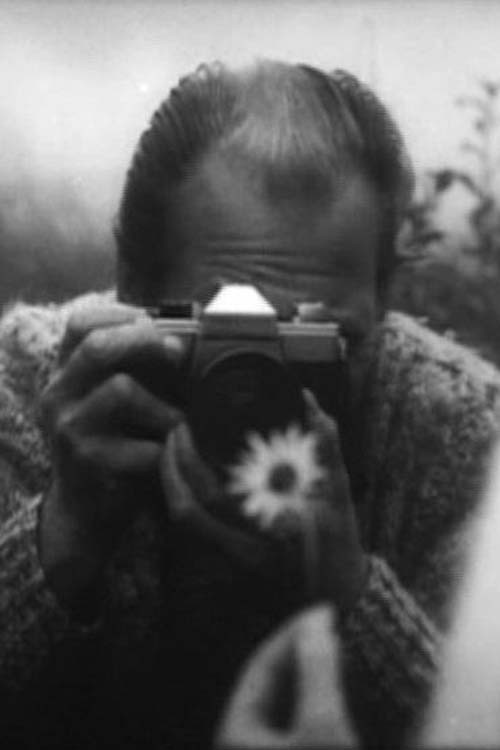
Fotorondo 1978
Peeter Tooming's concise 1978 documentary Fotorondo explores the delicate dance between reality and artistic expression through the lens of photography.
Director: Peeter Tooming
Frequently Asked Questions
What is Fotorondo (1978) about?
This short documentary delves into the relationship between photography and art, questioning how a single image can capture, interpret, or distort reality. Peeter Tooming examines the photographer's role as both an observer and an artist, creating a meditative reflection on the power of the still image.
Who directed Fotorondo?
Peeter Tooming directed Fotorondo (1978), bringing a thoughtful and minimalist approach to this experimental documentary.
Who stars in Fotorondo?
Cast information is not available for this 1978 documentary.
Is Fotorondo (1978) worth watching?
While unrated on IMDb and available only as a short film, Fotorondo offers a unique and thought-provoking take on photography as both art and interpretation. Its brevity and depth make it a niche but rewarding watch for documentary enthusiasts.
How long is Fotorondo?
Fotorondo (1978) runs for 10 minutes.
About Fotorondo (1978) — A 10-Minute Visual Essay on Photography's Hidden Layers
Peeter Tooming's concise 1978 documentary Fotorondo explores the delicate dance between reality and artistic expression through the lens of photography. In just ten minutes, the film dissects how a photograph captures more than just an image—it interprets moments, emotions, and truths that linger between objectivity and perception. The atmosphere is contemplative, inviting viewers to question how a single snapshot can preserve, distort, or even transcend the essence of its subject. With a focus on the photographer's role as both witness and artist, the film blends visual poetry with philosophical inquiry, making it a hidden gem for fans of experimental documentaries.
Fotorondo (1978) is a visual essay that feels like a quiet revelation, stripping back the layers of photography to reveal its power as a mediator between life and art. Tooming's direction is subtle yet profound, crafting a meditative experience that lingers long after the credits roll. The film's themes of interpretation and memory resonate deeply, especially for those who see photography not just as documentation, but as a gateway to deeper understanding. A short but impactful exploration, it's a must-see for anyone fascinated by the intersection of realism and creativity.