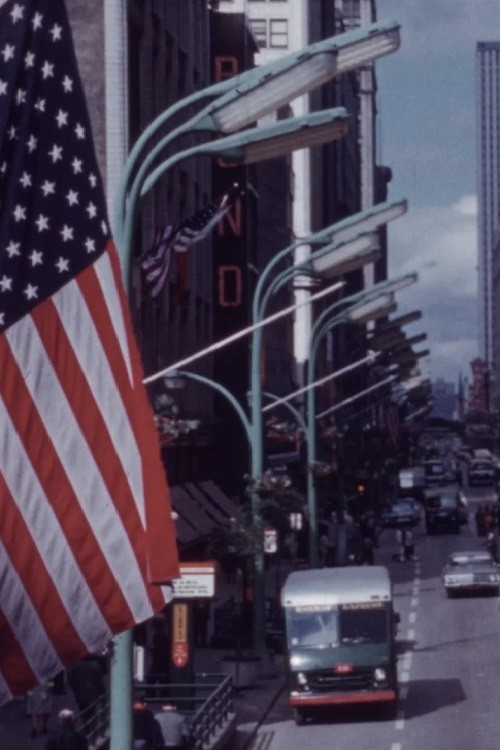
The City 1966
Dive into the vibrant pulse of 1960s Chicago with *The City (1966)*, an experimental silent documentary that captures the raw energy and chaotic charm of urban life.
Director: Maurice Bailen
Frequently Asked Questions
What is The City (1966) about?
*The City* offers an unconventional peek into 1960s Chicago, blending documentary realism with fictional flourishes. The film frames everyday urban life—ads, theaters, and passersby—through a postmodern lens, revealing hidden tensions beneath the city's surface.
Who directed The City?
Maurice Bailen directed *The City*, crafting an experimental silent film that redefines documentary aesthetics.
Who stars in The City?
Cast details for *The City* are not publicly listed.
Is The City (1966) worth watching?
Though unrated and obscure, *The City* is a fascinating watch for fans of experimental cinema and early postmodern filmmaking. Its brief runtime and unique approach make it a curiosity worth exploring, especially for those keen on 1960s urban culture.
How long is The City?
The runtime for *The City* is 17 minutes.
About The City (1966) — Experimental Documentary of 1960s Chicago in 17 Minutes
Dive into the vibrant pulse of 1960s Chicago with *The City (1966)*, an experimental silent documentary that captures the raw energy and chaotic charm of urban life. Directed by Maurice Bailen, this 17-minute short film blends tongue-in-cheek street advertisements, bustling theaters, and candid snapshots of daily routines with a postmodern twist. As the narrative unfolds, it peels back layers of city stress and hidden tensions, leaving viewers to question the line between reality and fiction. Shot through with playful satire and a keen eye for detail, *The City* offers a time-capsule glimpse into mid-century America's heartbeat, where every frame feels both intimate and detached.
A visionary take on documentary filmmaking, *The City (1966)* defies convention by weaving fictional elements into its documentary framework, creating a surreal mirror of urban existence. Bailen's experimental approach transforms ordinary city scenes—from neon-lit storefronts to fleeting glances of passersby—into a poignant meditation on modernity and human connection. The result is a mesmerizing, if unsettling, portrait of a metropolis alive with possibility and strain alike.