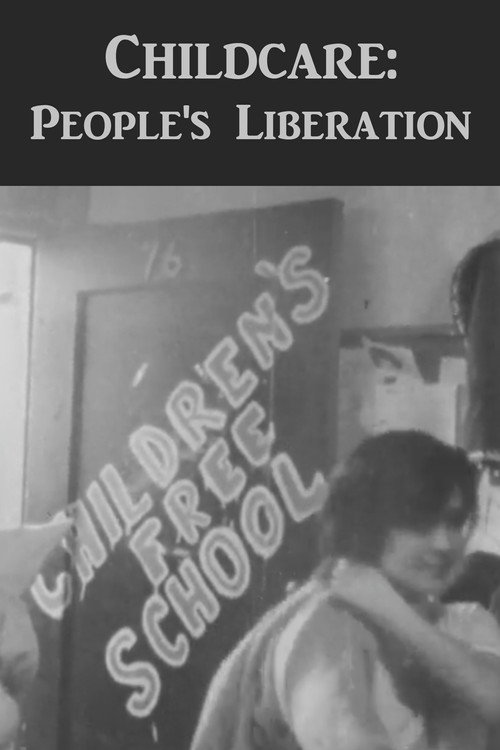
Childcare: People's Liberation (Newsreel #56) 1970
In "Childcare: People's Liberation (Newsreel #56) (1970)", director Bonnie Friedman shines a light on a pivotal moment in community activism through the lens of parent-run childcare.
Director: Bonnie Friedman
Frequently Asked Questions
What is Childcare: People's Liberation (Newsreel #56) (1970) about?
This documentary explores the grassroots movement behind community-run childcare centers in the 1970s, highlighting how parents and children benefit from safe, peer-supported environments. It contrasts the lack of accessible childcare options with the empowering potential of parent-controlled daycare, showcasing real stories of women taking collective action.
Who directed Childcare: People's Liberation (Newsreel #56)?
Bonnie Friedman directed this short documentary, offering a glimpse into 1970s social activism through the lens of childcare.
Who stars in Childcare: People's Liberation (Newsreel #56)?
The film features interviews with dedicated parents and caregivers who share their experiences, though specific cast names are not listed.
Is Childcare: People's Liberation (Newsreel #56) (1970) worth watching?
While short in runtime, this documentary offers a fascinating historical snapshot of social change and grassroots activism. Its themes of community empowerment and parental agency make it a compelling watch for those interested in 1970s documentary filmmaking or social justice movements.
How long is Childcare: People's Liberation (Newsreel #56)?
The film runs for 15 minutes, delivering a concise yet impactful exploration of its subject.
About Childcare: People's Liberation (Newsreel #56) (1970) — A 1970s Documentary on Parent-Run Childcare Centers
In "Childcare: People's Liberation (Newsreel #56) (1970)", director Bonnie Friedman shines a light on a pivotal moment in community activism through the lens of parent-run childcare. This 15-minute documentary captures the raw urgency of women seeking safe, nurturing spaces for their children while exploring how collective care can empower families and challenge societal norms. Filmed in vibrant daycare centers, the film contrasts the frustration of inaccessible options with the promise of grassroots solutions, where parents and children alike forge new bonds in supportive environments.
With an intimate, fly-on-the-wall perspective, Friedman's work blends urgency and hope, documenting a grassroots movement born from necessity. The interviews with desperate yet determined parents underscore the film's emotional core, while its focus on peer relationships and community action paints a vivid portrait of liberation in action. A compelling snapshot of 1970s social change, this short film remains a powerful testament to the transformative power of collective care and parental agency.