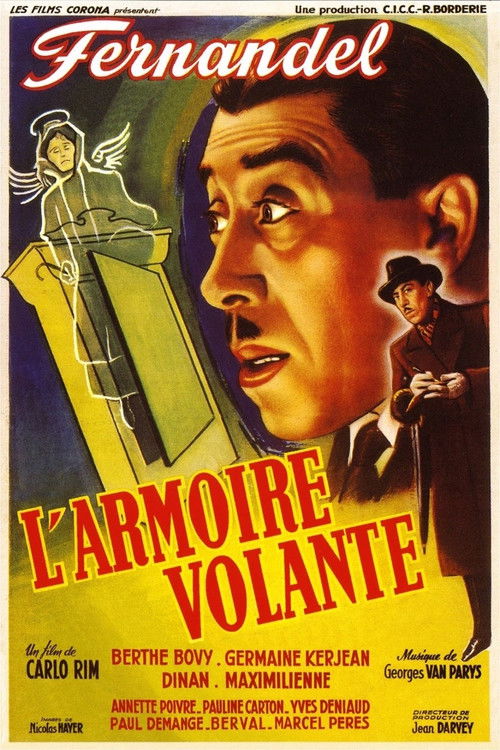
The Cupboard Was Bare 1948
In the post-war Paris of 1948, Fernandel stars as Alfred Puc, a timid tax collector whose life spirals into chaos when a tragic mix-up leaves him racing against time.
Director: Carlo Rim
Cast



Frequently Asked Questions
What is The Cupboard Was Bare (1948) about?
The film follows Alfred Puc, a meek Parisian tax collector who inherits a fortune—if he can produce a corpse. After his aunt's body vanishes in a stolen delivery van, Alfred embarks on a frantic search through the criminal underworld, uncovering a web of absurd mishaps and dangerous secrets.
Who directed The Cupboard Was Bare?
The movie was directed by Carlo Rim, a French filmmaker known for blending sharp comedy with crime narratives in post-war cinema.
Who stars in The Cupboard Was Bare?
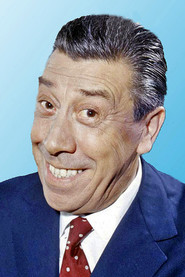
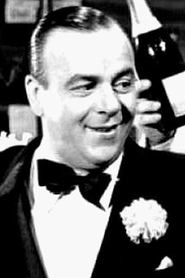
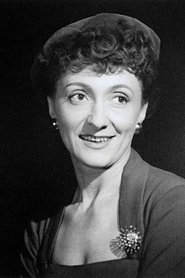
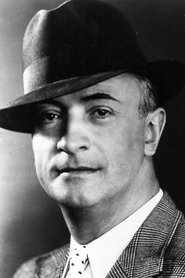
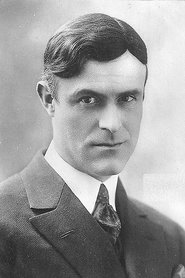
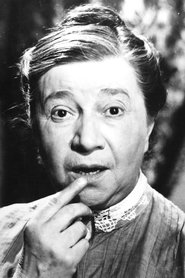
Fernandel takes the lead role, supported by Berthe Bovy, Germaine Kerjean, Albert Dinan, and Annette Poivre in this chaotic French farce.
Is The Cupboard Was Bare (1948) worth watching?
While it lacks an IMDb rating, its genre blend of comedy and crime, along with Fernandel's signature charm, makes it a compelling watch for fans of classic French farces. The absurd premise and energetic pacing keep the humor fresh and engaging.
How long is The Cupboard Was Bare?
The film runs for 90 minutes.
About The Cupboard Was Bare (1948) — A French farce where bureaucracy meets the underworld
In the post-war Paris of 1948, Fernandel stars as Alfred Puc, a timid tax collector whose life spirals into chaos when a tragic mix-up leaves him racing against time. After his eccentric aunt dies en route in a delivery van, the driver stashes her body in a cupboard to avoid police trouble—only for the van to be stolen before anyone notices. Alfred's inheritance hinges on producing a corpse, sending him on a frenzied hunt through the city's underbelly. What begins as a bureaucratic nightmare transforms into a madcap odyssey where innocent meets underworld, and every clue leads deeper into absurdity.
Carlo Rim's *The Cupboard Was Bare* blends sharp-edged comedy with the grit of 1940s crime dramas, crafting a tone that's equal parts farcical and suspenseful. Fernandel's knack for physical comedy shines as Alfred navigates a world where corpses and cupboards become objects of chaos, while the film's Parisian setting pulses with post-war energy. Themes of bureaucracy, greed, and the absurdity of legal technicalities add layers to the humor, making it a standout in mid-century French cinema.