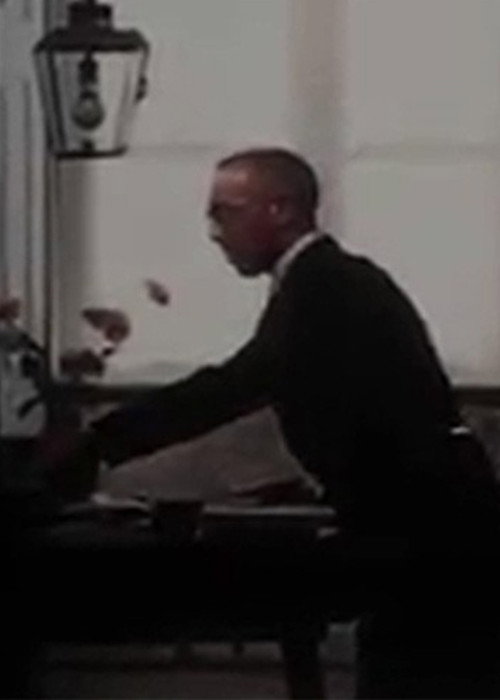
Romance de Vila do Conde 2008
Captured over four decades yet unveiled in 2008, *Romance de Vila do Conde* is a poetic silver-screen homage by the legendary Manoel de Oliveira.
Director: Manoel de Oliveira
Cast

Frequently Asked Questions
What is Romance de Vila do Conde (2008) about?
*Romance de Vila do Conde* is a short film that stitches together a lyrical portrait of the Portuguese coastal town through the words of poet José Régio. Directed by Manoel de Oliveira, it captures the quiet essence of Vila do Conde—its architecture, maritime rhythms, and timeless mood—through cinematic verse rather than plot.
Who directed Romance de Vila do Conde?
The film was directed by the acclaimed Portuguese filmmaker Manoel de Oliveira, known for blending literature, history, and visual artistry in his work.
Who stars in Romance de Vila do Conde?
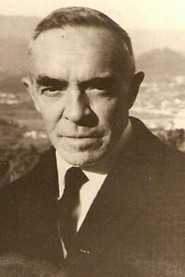
The cast includes Luís Miguel Cintra and José Régio, with Cintra appearing in the cinematic adaptation of Régio's poetry.
Is Romance de Vila do Conde (2008) worth watching?
As a short cinematic poem, *Romance de Vila do Conde* offers a rare glimpse into Oliveira's mastery and Régio's evocative language. While not a mainstream narrative, its historical and poetic depth makes it a rewarding watch for lovers of art cinema and Portuguese culture.
How long is Romance de Vila do Conde?
The runtime of *Romance de Vila do Conde* is 8 minutes.
About Romance de Vila do Conde (2008) — A Poetic Homage to Portugal's Coastal Soul
Captured over four decades yet unveiled in 2008, *Romance de Vila do Conde* is a poetic silver-screen homage by the legendary Manoel de Oliveira. This 8-minute visual poem intertwines the timeless verses of Portuguese writer José Régio with the sun-drenched streets and sea-facing promenades of Vila do Conde, weaving memory, place, and language into a single cinematic breath.
Shot in 1965 but only completed decades later, the film transforms a brief coastal town into a character of its own—its whitewashed houses, fishing nets, and quiet squares bathed in the golden haze of nostalgia. The result is less a narrative and more a meditative reverie, where cinema becomes a vessel for poetic homage, and the past lingers in every frame like salt on the wind.