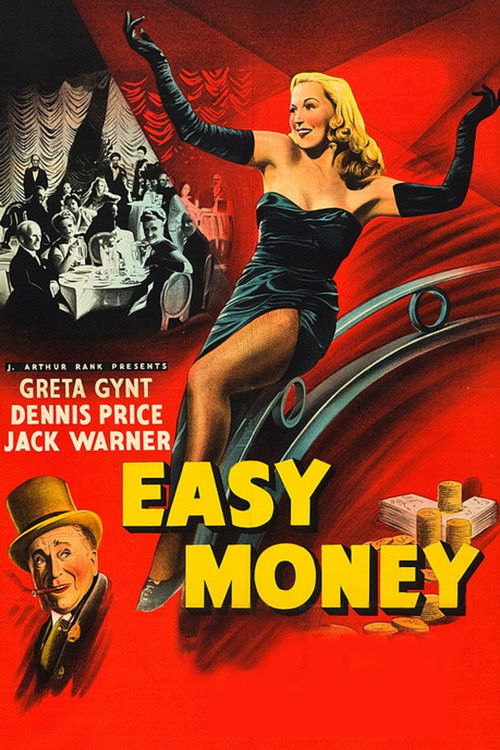
Easy Money 1948
Directed by Bernard Knowles, *Easy Money (1948)* is a charming blend of crime, drama, and comedy set in postwar Britain.
Director: Bernard Knowles
Cast




Frequently Asked Questions
What is Easy Money (1948) about?
A postwar football pools win upends the lives of several Britons, from a clerk questioning his job to a musician missing his orchestra. Greed and deception soon enter the picture when a ticket checker considers cheating to keep up with his girlfriend's lifestyle.
Who directed Easy Money?
Bernard Knowles directed *Easy Money (1948)*, bringing a sharp eye for character-driven storytelling to this British comedy-drama.
Who stars in Easy Money?
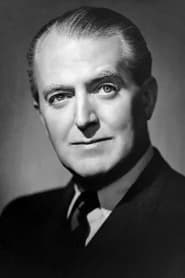
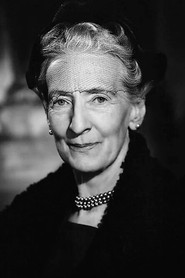
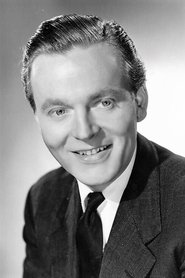
The film features Jack Warner, Greta Gynt, Marjorie Fielding, Yvonne Owen, and a young Petula Clark in key roles.
Is Easy Money (1948) worth watching?
With its blend of humor, drama, and social commentary, *Easy Money* offers a delightful snapshot of postwar Britain. While not widely rated on IMDb, its nostalgic charm and clever plot make it a hidden gem for fans of classic British cinema.
How long is Easy Money?
The runtime of *Easy Money (1948)* is 94 minutes.
About Easy Money (1948) — A postwar British comedy with crime and consequences
Directed by Bernard Knowles, *Easy Money (1948)* is a charming blend of crime, drama, and comedy set in postwar Britain. The story kicks off when a modest football pools win sends ripple effects through several lives, from a discontented clerk to a double-bass player missing his orchestra. Tensions rise as a coupon checker's relationship with his night-club singer girlfriend takes a dark turn when greed clouds their morals. Beneath the surface of this lighthearted premise lies a sharp critique of ambition and deception, wrapped in a vintage British atmosphere that feels both nostalgic and timeless.
The film's ensemble cast, led by Jack Warner and Greta Gynt, delivers performances that balance humor with poignant moments. As the lottery win spirals into unexpected consequences, *Easy Money* explores how chance and choice can transform ordinary people—sometimes for the better, often for the worse. With its wit, social commentary, and stylish direction, this 1948 gem remains a captivating snapshot of a bygone era.