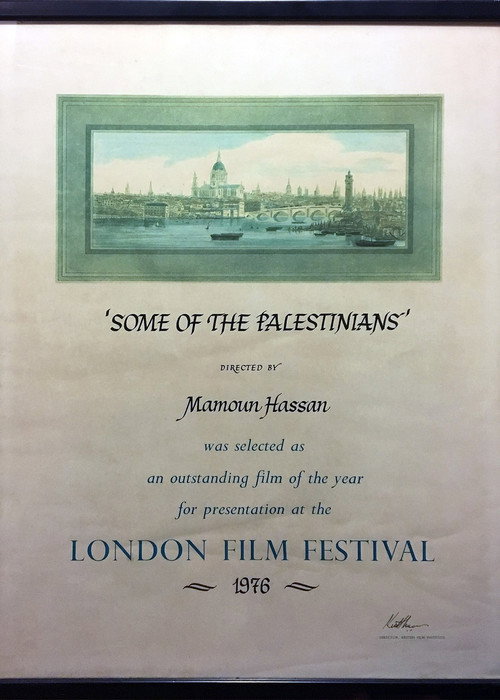
Some of the Palestinians 1976
Dive into the compelling 1976 documentary *Some of the Palestinians*, helmed by director Mamoun Hassan during his tenure with the United Nations Relief and Works Agency (UNRWA).
Director: Mamoun Hassan
Frequently Asked Questions
What is Some of the Palestinians (1976) about?
This documentary follows Dr. Murad, a Palestinian doctor working with the UNRWA in Syria, as he navigates the challenges of providing healthcare in refugee camps. The film travels from a Lebanese camp devastated by conflict to the West Bank and Jordan, showcasing the human stories behind displacement.
Who directed Some of the Palestinians?
Mamoun Hassan directed the film while stationed with the UNRWA in Lebanon in 1974, using his experience to craft a documentary that shines a light on Palestinian refugee conditions.
Who stars in Some of the Palestinians?
The film prominently features Dr. Murad, a Palestinian doctor, alongside the resilient communities he serves in Syrian, Lebanese, and Jordanian refugee camps.
Is Some of the Palestinians (1976) worth watching?
As a historical documentary, it offers a rare and unfiltered perspective on Palestinian refugee life in the 1970s. While unrated, its thematic depth and human focus make it a compelling watch for those interested in social and political documentaries.
How long is Some of the Palestinians?
The film runs for 55 minutes.
About Some of the Palestinians (1976) — A Raw Look at Palestinian Refugee Life
Dive into the compelling 1976 documentary *Some of the Palestinians*, helmed by director Mamoun Hassan during his tenure with the United Nations Relief and Works Agency (UNRWA). This 55-minute film offers an intimate, behind-the-scenes glimpse into the lives of Palestinian refugees, framed through the daily work of Dr. Murad, a physician tasked with caring for camp residents in Syria.
The journey unfolds against the backdrop of a recently bombed camp in Lebanon, weaving through the West Bank and Jordan to capture the resilience and struggles of displaced communities. With a stark yet humanizing lens, Hassan's documentary immerses viewers in the raw realities of displacement, healthcare challenges, and the enduring spirit of a people navigating exile. The film's atmosphere blends urgency with quiet reflection, making it a poignant exploration of identity and survival.