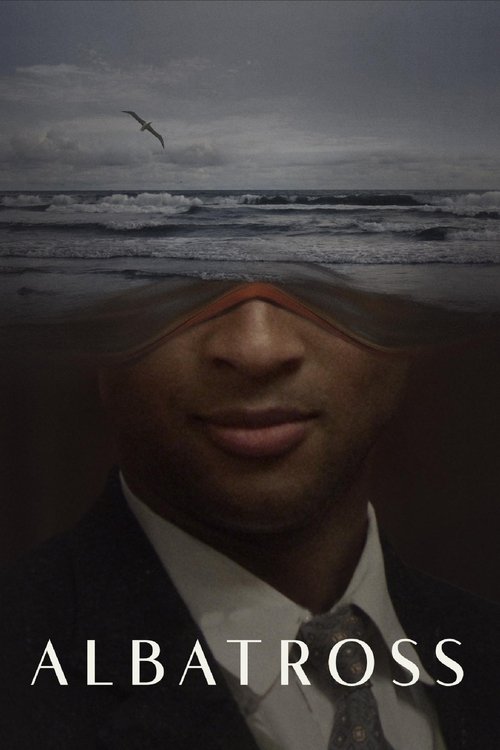
Albatross 2022
"Tell me what you see."
Set in the crisp autumn of 1959 New England, *Albatross (2022)* unfolds around a single, fateful dinner party that spirals into a night of psychological tension.
Director: Myles Yaksich
Cast







Frequently Asked Questions
What is Albatross (2022) about?
*Albatross (2022)* follows an uneasy dinner party in 1959 New England that turns into a psychological chess match. When a progressive biracial couple visits the home of an artist with questionable ethics, tensions rise as hidden agendas surface. By morning, old wounds are reopened and no one leaves unchanged.
Who directed Albatross?
Albatross was directed by Myles Yaksich, bringing a keen eye for tension and character dynamics to this period drama.
Who stars in Albatross?
The drama features Mikaela Bisson, Sarah Orenstein, Jill Frappier, Romaine Waite, and David Huband in pivotal roles.
Is Albatross (2022) worth watching?
While unrated on IMDb, *Albatross (2022)* delivers a compelling character study with sharp dialogue and suspense, making it a solid pick for drama lovers. Its exploration of identity and social tension elevates it beyond a typical dinner-party thriller.
How long is Albatross?
The film runs for 97 minutes.
🎥 Trailer
About Albatross (2022) — A Tense Dinner Party Drama in 1959 New England
Set in the crisp autumn of 1959 New England, *Albatross (2022)* unfolds around a single, fateful dinner party that spirals into a night of psychological tension. Directed by Myles Yaksich, this drama stages an uncomfortable collision between worlds when a bold, biracial couple crosses the threshold of an artist whose brilliance is as fragile as his morals. What begins as polite conversation soon curdles into a high-stakes game of manipulation, where every polite phrase hides a barb and every shared glance reveals more than intended. By dawn, facades have cracked, secrets are exposed, and the guests are left questioning who was really in control.
Crafted with sharp dialogue and mounting suspense, *Albatross (2022)* dives into themes of identity, privilege, and the weight of appearances in a rigidly stratified society. The film's moody black-and-white palette and claustrophobic setting heighten the sense of inevitability, making every whispered word feel like a landmine. With a stellar ensemble led by Mikaela Bisson and Sarah Orenstein, this isn't just a period piece—it's a razor-sharp character study that lingers long after the credits roll.