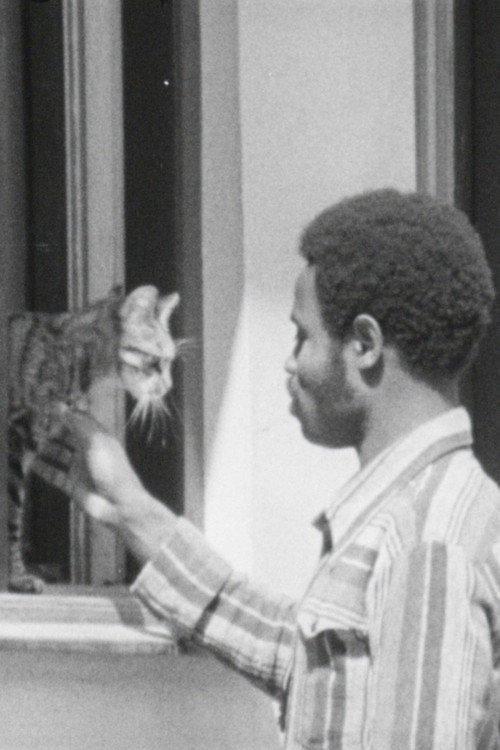
The Invisible People 1972
Dive into *The Invisible People (1972)*, a groundbreaking short documentary by Madubuko Diakité that shines a spotlight on the struggles of African students, immigrants, and marginalized communities in 1970s southern Sweden.
Director: Madubuko Diakité
Frequently Asked Questions
What is The Invisible People (1972) about?
This 1972 documentary explores the daily lives of African students, immigrants, and the African diaspora in southern Sweden, revealing the challenges they faced during the 1970s. Through intimate interviews and observational footage, the film exposes systemic neglect and the fight for recognition in a society that often rendered them invisible.
Who directed The Invisible People?
Madubuko Diakité directed this powerful short documentary, collaborating with Gary Engman and Nordal Åkerman to bring its stark themes to life.
Who stars in The Invisible People?
The Invisible People features real-life stories of African students and immigrants in Sweden, along with interviews conducted by the filmmakers. As a documentary, it highlights the voices of those whose experiences shaped the film.
Is The Invisible People (1972) worth watching?
While lacking a formal IMDb rating, The Invisible People is a valuable historical document that offers deep insights into social issues of its time. Its raw storytelling and historical significance make it a compelling watch for those interested in social justice films or Swedish history.
How long is The Invisible People?
The Invisible People runs for 30 minutes.
About The Invisible People (1972) — Madubuko Diakité's eye-opening 1970s documentary on marginalized voices
Dive into *The Invisible People (1972)*, a groundbreaking short documentary by Madubuko Diakité that shines a spotlight on the struggles of African students, immigrants, and marginalized communities in 1970s southern Sweden.
Crafted in collaboration with Gary Engman and Nordal Åkerman, this 30-minute film captures the raw, unfiltered realities of life for those often overlooked by society. Through candid interviews and immersive visuals, Diakité paints a vivid portrait of resilience and hardship, weaving themes of identity, displacement, and belonging into a compelling narrative. The atmosphere is gritty yet deeply human, offering a rare glimpse into a chapter of Scandinavian social history that remains largely untold.
The Invisible People (1972) stands as a poignant time capsule of its era, offering viewers a chance to reflect on how far—and how little—things have changed for marginalized communities. A must-watch for history buffs and those passionate about social justice films.