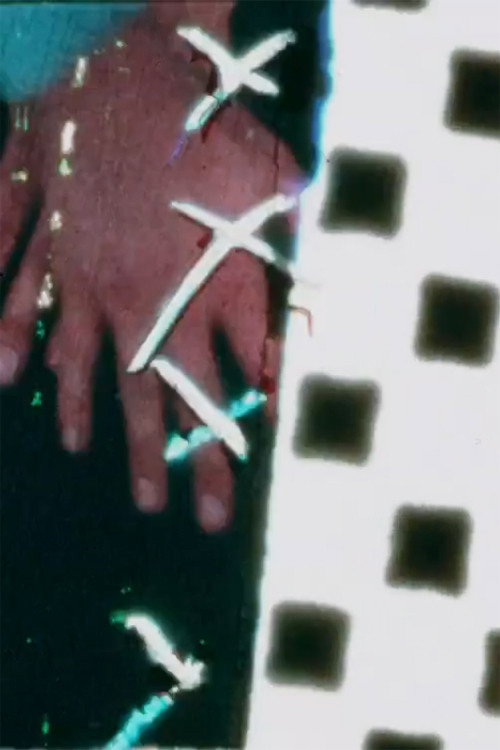
Knots 1990
Knots (1990) is a brief but intense experimental short film that captures the fragmented nature of modern visual experience.
Director: Dirk de Bruyn
Frequently Asked Questions
What is Knots (1990) about?
Knots follows an experimental narrative exploring how we perceive motion and visual stimuli in everyday life. The film examines the rush of contemporary experience through fragmented imagery and rapid sequences that mirror our distracted attention spans.
Who directed Knots?
Dirk de Bruyn directed Knots, bringing his distinctive experimental approach to this short film about visual perception and modern life.
Who stars in Knots?
Cast information for Knots is currently unavailable, as this experimental work focuses primarily on visual and atmospheric elements rather than traditional performances.
Is Knots (1990) worth watching?
For fans of experimental cinema, Knots offers a unique 8-minute meditation on perception and modern visual experience. While not rated on IMDb, its artistic approach may appeal to viewers interested in non-traditional filmmaking and avant-garde storytelling.
How long is Knots?
Knots runs for approximately 8 minutes, making it a concise experimental piece perfect for viewers seeking brief but impactful cinematic experiences.
About Knots (1990) — Experimental Visual Journey
Knots (1990) is a brief but intense experimental short film that captures the fragmented nature of modern visual experience. Director Dirk de Bruyn presents a series of disjointed images and rapid visual sequences that reflect our increasingly uneasy relationship with perception and motion. The film explores themes of fleeting moments, the rush of contemporary life, and how we process visual information in a fast-paced world.
Through its 8-minute runtime, Knots creates a hypnotic tapestry of flickering sunlight, passing cars, and twisting curtains that blur the line between reality and abstraction. This visual poem examines the disconnect between what we see and how we understand it, making viewers question their own observational skills. The experimental nature of the work challenges traditional narrative structures while offering a unique cinematic meditation on sight and time.