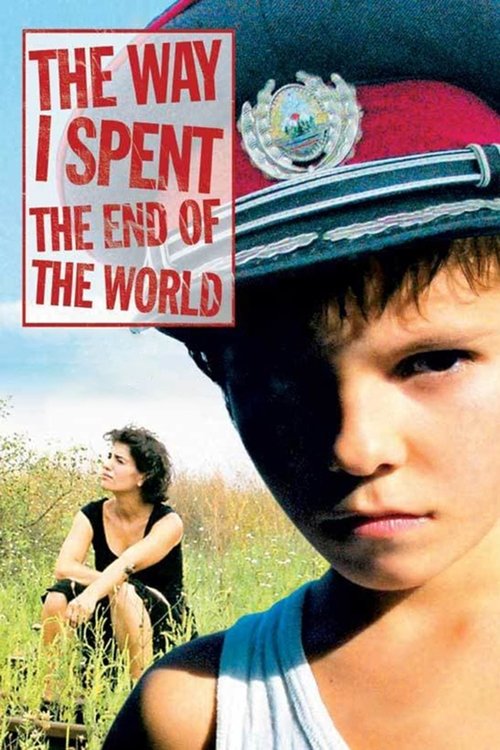
The Way I Spent the End of the World 2006
Set against the tightening grip of Ceaușescu's final year in power, *The Way I Spent the End of the World* (2006) weaves a raw and intimate drama about youth, rebellion, and the cost of defiance.
Director: Cătălin Mitulescu
Cast



Frequently Asked Questions
What is *The Way I Spent the End of the World* (2006) about?
This dramatic thriller set in 1989 Bucharest follows a rebellious teenager expelled from school for a political act of defiance. Forced into a reformatory, she meets a kindred spirit and plots an escape, all while her seven-year-old brother grapples with the collapse of their world under Ceaușescu's regime.
Who directed *The Way I Spent the End of the World*?
The film was directed by Cătălin Mitulescu, a Romanian filmmaker known for his evocative storytelling and exploration of historical tensions in his country.
Who stars in *The Way I Spent the End of the World*?
The film features standout performances by Timotei Duma, Dorotheea Petre, and Carmen Ungureanu, with Ionuț Becheru and Cristian Văraru rounding out the cast.
Is *The Way I Spent the End of the World* (2006) worth watching?
As a deeply atmospheric drama rooted in a pivotal moment of history, the film offers more than just a political narrative—it delivers emotional depth and stark realism. While not widely rated, its thoughtful direction and authentic performances make it a compelling watch for fans of historical drama.
How long is *The Way I Spent the End of the World*?
The runtime is 106 minutes, offering a tight, immersive experience that balances narrative urgency with emotional weight.
🎥 Trailer
The Way I Spent the End of the World (2006): A Rebellion in Final Days of Ceaușescu's Romania
Set against the tightening grip of Ceaușescu's final year in power, *The Way I Spent the End of the World* (2006) weaves a raw and intimate drama about youth, rebellion, and the cost of defiance. Directed by Cătălin Mitulescu, this coming-of-age story follows Eva, a spirited teenager expelled from school after an impulsive act of dissent shatters a bust of the dictator. Her younger brother, Lalalilu, becomes a witness to her unraveling dreams and the oppressive weight of a regime crumbling around them. With Andrei, a fellow outcast, Eva plans a desperate escape from Bucharest, a city suffocating under paranoia and surveillance. The film balances rawness with poetic tension, capturing the last gasps of a dictatorship and the fragile courage of those who dared to resist.
The story unfolds like a visceral snapshot of 1989 Romania, where innocence and defiance collide in a family caught between hope and survival. Mitulescu's direction infuses the narrative with a haunting intimacy, contrasting the political storm outside with the quiet devastation within Eva's home. As Lalalilu's child's logic misinterprets the world's collapse, the film lingers on the long shadows cast by oppression—both personal and societal.