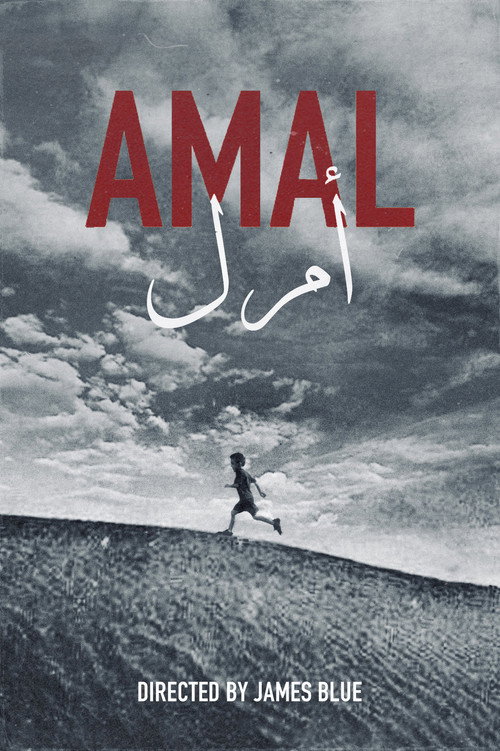
Amal 1960
Amal (1960) is a poignant 20-minute documentary-drama that delves into the tender yet unflinching realities of childhood and loss.
Director: James Blue
Frequently Asked Questions
What is Amal (1960) about?
Amal (1960) follows a young child grappling with the aftermath of a profound loss, exploring how grief reshapes their perception of the world. The film delicately balances personal sorrow with broader themes of resilience, using poetic imagery to convey raw emotion in just 20 minutes.
Who directed Amal?
Amal was directed by James Blue, a filmmaker known for his evocative work in North African cinema during the late 1950s and early 1960s.
Who stars in Amal?
Cast details for Amal (1960) are not publicly available, as the film's focus remains on its thematic depth rather than individual performances.
Is Amal (1960) worth watching?
While Amal (1960) is a short documentary-drama with no IMDb rating, its emotional resonance and James Blue's directorial vision make it a compelling watch for fans of introspective cinema. The film's brevity and artistic ambition can appeal to those seeking thought-provoking storytelling over conventional narratives.
How long is Amal?
Amal (1960) has a runtime of 20 minutes, offering a concise yet impactful cinematic experience.
About Amal (1960) — A Touching Short Film on Childhood and Grief
Amal (1960) is a poignant 20-minute documentary-drama that delves into the tender yet unflinching realities of childhood and loss. Directed by James Blue during his formative years in Algeria, this short film captures the essence of grief through the eyes of a young protagonist navigating a world forever changed by absence. Set against the backdrop of post-colonial Algeria, the movie blends lyrical visuals with raw emotional depth, transforming personal sorrow into a universal experience. The film's meditative pacing and understated storytelling invite viewers to reflect on the fragility of innocence and the quiet strength it takes to endure. By focusing on intimate, everyday moments, Amal (1960) transcends its brevity, leaving a lasting impression of resilience.
James Blue's background in North African cinema infuses the project with authenticity and cultural nuance, elevating it beyond a simple elegy. The documentary's dramatic elements arise naturally from its subject matter, creating an atmosphere of quiet melancholy that lingers long after the credits roll. Though modest in runtime, Amal (1960) packs an emotional punch, making it a standout work for fans of thoughtful, character-driven cinema.