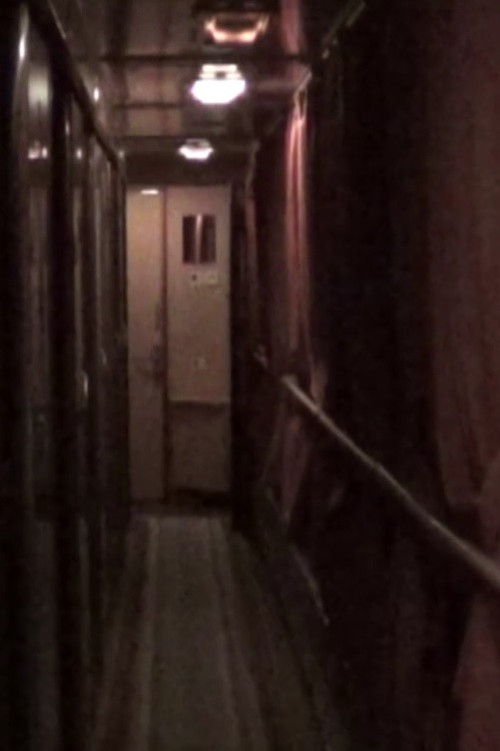
Train 2022
Martine Rousset's *Train (2022)* is a hypnotic, 35-minute meditation on memory, silence, and the spaces between moments. The film unfolds like a whispered secret, guiding viewers through a labyrinth of half-remembered sounds and fragmented landscapes.
Director: Martine Rousset
Frequently Asked Questions
What is Train (2022) about?
*Train (2022)* explores the fragile act of recovering lost moments through sound and imagery. It's a film that drifts between presence and absence, using fragmented narration to evoke the way the past lingers in the present. Think of it as a collage of whispers, where the viewer becomes a detective of half-heard stories.
Who directed Train?
*Train* was directed by Martine Rousset, a filmmaker known for her evocative, experimental approach to cinema.
Who stars in Train?
Cast details for *Train (2022)* are not publicly listed.
Is Train (2022) worth watching?
*Train (2022)* is a niche but rewarding experience for fans of poetic, slow cinema. Its 35-minute runtime demands patience, but Rousset's layered soundscapes and visuals create a uniquely immersive atmosphere. If you enjoy films that prioritize mood over plot, it's worth a watch.
How long is Train?
*Train (2022)* runs for 35 minutes.
About Train (2022) — A Haunting 35-Minute Cinematic Meditation on Memory
Martine Rousset's *Train (2022)* is a hypnotic, 35-minute meditation on memory, silence, and the spaces between moments. The film unfolds like a whispered secret, guiding viewers through a labyrinth of half-remembered sounds and fragmented landscapes. As voices rise and fade against the backdrop of an unnamed shore, it feels less like a traditional narrative and more like an intimate ritual—one that casts a net into the blind corners of perception, asking audiences to piece together meaning from absence. The atmosphere is dreamlike yet precise, blending poetic ambiguity with a sense of quiet urgency.
By turns elusive and evocative, *Train (2022)* invites reflection on how we reconstruct the past from traces. Rousset's direction lingers on textures and echoes, turning the act of listening into a tactile experience. The film's themes resonate with those who appreciate experimental cinema that prioritizes mood and suggestion over straightforward storytelling, making it a standout for fans of avant-garde visuals and philosophical inquiry.