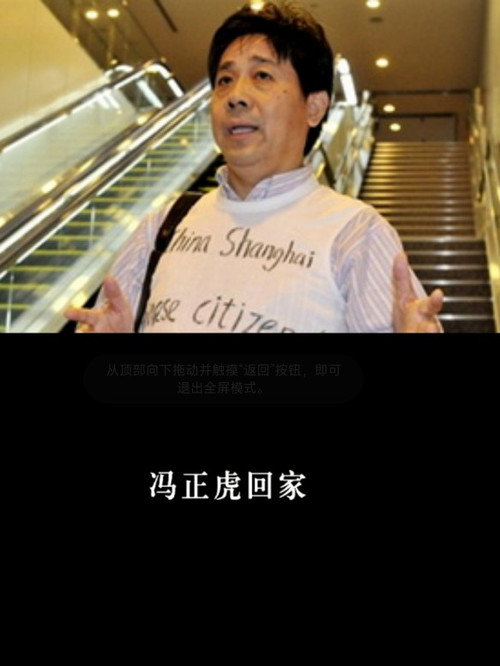
冯正虎回家 2009
Directed by the globally recognized activist and artist Ai Weiwei, 冯正虎回家 (2009) is a poignant exploration of homecoming and resilience set against the backdrop of contemporary China.
Director: Ai Weiwei
Frequently Asked Questions
What is 冯正虎回家 (2009) about?
The film chronicles lawyer Feng Zhenghu's emotional and physical return to his hometown, where he confronts personal and societal challenges. It's a story about justice, identity, and the enduring human spirit in the face of systemic barriers. Ai Weiwei crafts a narrative that blends personal drama with broader themes of resistance and resilience.
Who directed 冯正虎回家?
冯正虎回家 was directed by the acclaimed Chinese artist and activist Ai Weiwei, known for his provocative works that challenge political and social norms.
Who stars in 冯正虎回家?
The film features Feng Zhenghu in the lead role, though additional cast details are not officially listed.
Is 冯正虎回家 (2009) worth watching?
While 冯正虎回家 lacks an IMDb rating, its thematic depth and Ai Weiwei's reputation as a groundbreaking filmmaker make it intriguing for audiences interested in socially conscious cinema. It's a niche but impactful watch, especially for those drawn to stories of personal and political awakening.
How long is 冯正虎回家?
Runtime details for 冯正虎回家 are not publicly listed.
About 冯正虎回家 (2009) — Ai Weiwei's intimate film on homecoming and resistance
Directed by the globally recognized activist and artist Ai Weiwei, 冯正虎回家 (2009) is a poignant exploration of homecoming and resilience set against the backdrop of contemporary China. The film follows the journey of lawyer Feng Zhenghu, whose return to his roots becomes a metaphor for personal and social awakening amid political and cultural constraints. With Ai Weiwei's signature blend of raw realism and artistic vision, the movie captures the tension between individual identity and systemic pressure, weaving a narrative that feels both intimate and universally resonant. The atmosphere is marked by quiet intensity, as Feng's struggle reflects broader themes of justice, freedom, and the enduring quest for belonging.
Though rooted in a specific socio-political context, 冯正虎回家 transcends cultural boundaries, offering viewers a glimpse into the human spirit's capacity to challenge adversity. Ai Weiwei's direction lends the film a documentary-like authenticity, while the story's emotional core invites reflection on the meaning of home—both as a physical place and an ideal. The film's understated yet powerful storytelling makes it a compelling watch for those interested in cinema that engages with both personal and collective struggles.